Hemolytic Anemias
When RBCs are destroyed faster than they can be replaced
Clinical Images
🚨 Clinical Vignette
A 28-year-old woman presents with fatigue, jaundice, and dark urine. Labs show Hgb 8.2, elevated retic count (15%), and unconjugated hyperbilirubinemia. Her direct Coombs test is positive. There are no schistocytes on blood smear.
What type of hemolysis is occurring?
The Players: Globin, Haptoglobin & the Hb Family
Before the hemolysis labs make sense, know who's in the room. Globin lives inside the RBC. Haptoglobin patrols plasma. And not all hemoglobins are the same.
| Name | Chains | Board Pearl |
|---|---|---|
| HbA | α2β2 | Normal adult Hb. The Goal. |
| HbF | α2γ2 | Fetal. Higher O2 affinity. Hydroxyurea raises it. |
| HbA2 | α2δ2 | Elevated in beta-thalassemia (>3.5%). |
| HbS | α2βS2 | Sickle cell. Valine for glutamate at β6. Sticky when deoxygenated. |
| HbC | α2βC2 | Lysine for glutamate at β6. Ly-C-ne mnemonic. |
| HbH | β4 | Alpha-thal (3 gene loss). H = Heinz bodies · beta tetramers precipitate. |
| Hb Barts | γ4 | Alpha-thal (4 gene loss). Lethal · hydrops fetalis. |
Tap the blurred answer. Tap again for the next beat.
| Lab | Thalassemia Blueprint |
IDA Ingredients |
|---|---|---|
| Ferritin | Normal / High | Low · #1 early marker |
| TIBC | Normal | High (liver hunting for iron) |
| RDW | Normal (uniformly small) | High (mixed sizes) |
| RBC Count | High (compensatory) | Low / Normal |
| Mentzer Index | <13 suggests thal | >13 suggests IDA |
| Lab | Thal MINOR Trait |
Thal MAJOR |
|---|---|---|
| RDW | Normal (uniformly small) | High (fragments everywhere) |
| RBC Count | High (compensatory) | Low (marrow failure + hemolysis) |
| Hemoglobin | Mild anemia (10-12) | Severe (<7) |
| Clinical | Asymptomatic / mild fatigue | Transfusion dependent |
The Big Picture: Reticulocytosis = Hemolytic Anemia
A high reticulocyte count screams hemolytic anemia. It's NOT a bone marrow problem. The bone marrow is overproducing because red blood cells are being destroyed faster than normal in the periphery.
Hemolysis is one lab tuple and two questions.
Normal RBC lifespan: 120 days
In hemolytic anemias: days to weeks
The bone marrow responds by:
• Releasing immature RBCs (reticulocytes) before they're fully mature
• Increasing RBC production up to 6-8x normal
• This hyperproliferation = elevated reticulocyte count
Which Diseases Cause Which Type?
Primarily Extravascular:
Hereditary Spherocytosis → osmotic fragility, bursts in hypotonic saline
Hereditary Elliptocytosis → structural RBC defect
Sickle Cell Disease → vaso-occlusion + splenic infarction
HbC Disease → RBC damage
Pyruvate Kinase Deficiency → RBC fragility
Warm Agglutinin Hemolytic Anemia (IgG antibodies, positive direct Coombs)
Intravascular + Extravascular (Both):
G6PD Deficiency → oxidative stress + hemolysis in oxidative crises
Cold Agglutinin Disease → IgM-mediated
Primarily Intravascular:
PNH → complement-mediated
Microangiopathic Hemolytic Anemia (MAHA) → TTP, HUS, DIC
Malaria → parasite destruction
🔍 Crime Scene Investigation: Where Are The RBCs Being Destroyed?
Sort each clue by where the RBC is being destroyed. No dragging: tap the scene that owns the clue.
Blood vessels
Free hemoglobin spills into plasma, urine, and kidney tubules.
Spleen / liver
Macrophages eat whole RBCs before hemoglobin floods plasma.
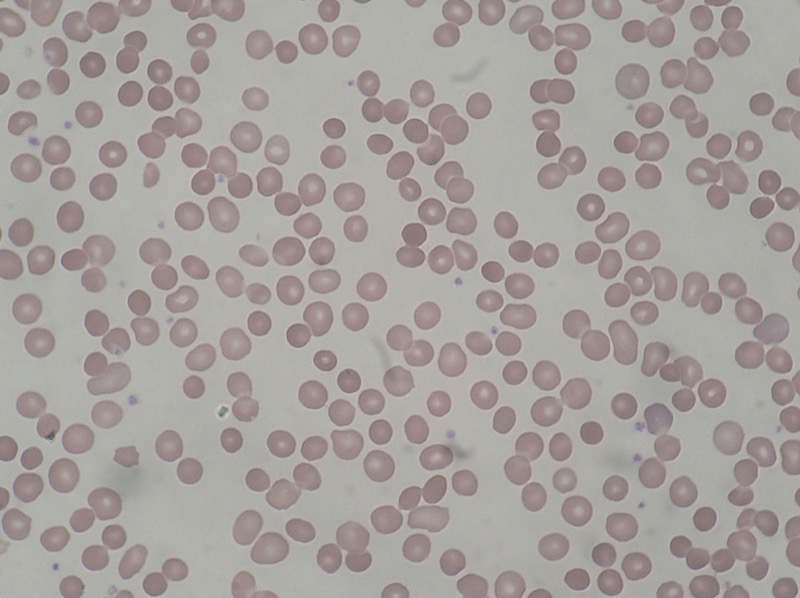
🔬 RBC Mugshot Gallery: Suspect Lineup
Click each suspect to reveal their name and criminal record (clinical significance).
Immature RBC with residual RNA
MCC Healthy Marrow Response
Nuclear fragment in RBC
MCC Splenectomy
Also: hemolytic anemia
Aged/damaged RBC, lost surface area
MCC Hereditary Spherocytosis
Also: autoimmune hemolytic anemia
Structurally abnormal oval RBC
MCC Hereditary Elliptocytosis
RBC sheared by fibrin strands
MCC TTP/DIC/MAHA
Intravascular hemolysis
RBC squeezed through damaged BM
MCC Hemolytic Anemia
Also: BM fibrosis (myelofibrosis)
More central Hb staining, excess membrane
MCC Iron Deficiency
Also: thalassemia, liver disease
Precipitated hemoglobin (oxidative damage)
MCC G6PD Deficiency
RBC with lipid-coated spicules
MCC Hyperlipidemia
Also: abetalipoproteinemia
The Coombs Test: Who Killed The RBCs?
Direct Coombs (DAT) = "are antibodies stuck to the patient's RBCs RIGHT NOW?" Tests the patient's RBCs with anti-IgG / anti-C3 reagent. Positive = autoimmune hemolysis (warm AIHA, cold AIHA, drug-induced). Indirect Coombs (IAT) = "are antibodies floating in the patient's plasma waiting to attack donor RBCs?" Used for crossmatch, prenatal Rh testing. Boards mnemonic: Direct = on the cells (in vivo), Indirect = in the plasma (in vitro). Warm AIHA = IgG, spleen-mediated, lupus/CLL/methyldopa/penicillin. Cold AIHA = IgM, intravascular, mycoplasma/EBV/idiopathic.
The Coombs test detects antibodies involved in hemolysis. Two versions, two questions:
🔴 Direct Coombs (DAT)
Detects antibodies DIRECTLY ON RBC surface
🧬 Indirect Coombs (IAT)
Detects antibodies IN THE PLASMA (not on RBCs)
Non-Immune Hemolytic Anemias
Positive direct Coombs means immune-mediated. Negative direct Coombs = consider these:
Non-immune hemolysis maps to the RBC layer that broke.
Drugs That Cause Hemolytic Anemia
These bind to RBCs or cause immune responses, triggering hemolysis:
• Penicillins & Cephalosporins → hapten mechanism (drug binds RBC, antibodies attack)
• Sulfonamides → immune complex formation
• Alpha-Methyldopa → induces anti-RBC antibodies (classic board trap)
• PTU → thyroid drug, immune-mediated
• Antimalarials → especially in G6PD patients
• Dapsone → oxidative hemolysis
The Villains: Flip to Diagnose
Five hemolytic anemias. Each one has a signature. Tap each card.
X-linked recessive. African American males. Coombs NEGATIVE (not immune-mediated).
Triggers: Dapsone, sulfonamides, antimalarials, fava beans, infection.
Smear: Heinz bodies (oxidized Hgb precipitates), bite cells (splenic macrophages chewing out Heinz bodies).
Rule: Heinz bodies + bite cells + oxidative trigger = G6PD.
Autosomal dominant (mostly). Defect in spectrin or ankyrin → RBC loses membrane → becomes sphere.
Coombs NEGATIVE. Smear: small round RBCs without central pallor (spherocytes).
Osmotic fragility test: spheres lyse in hypotonic saline faster than normal.
Rule: Spherocytes + osmotic fragility + Coombs negative = hereditary spherocytosis.
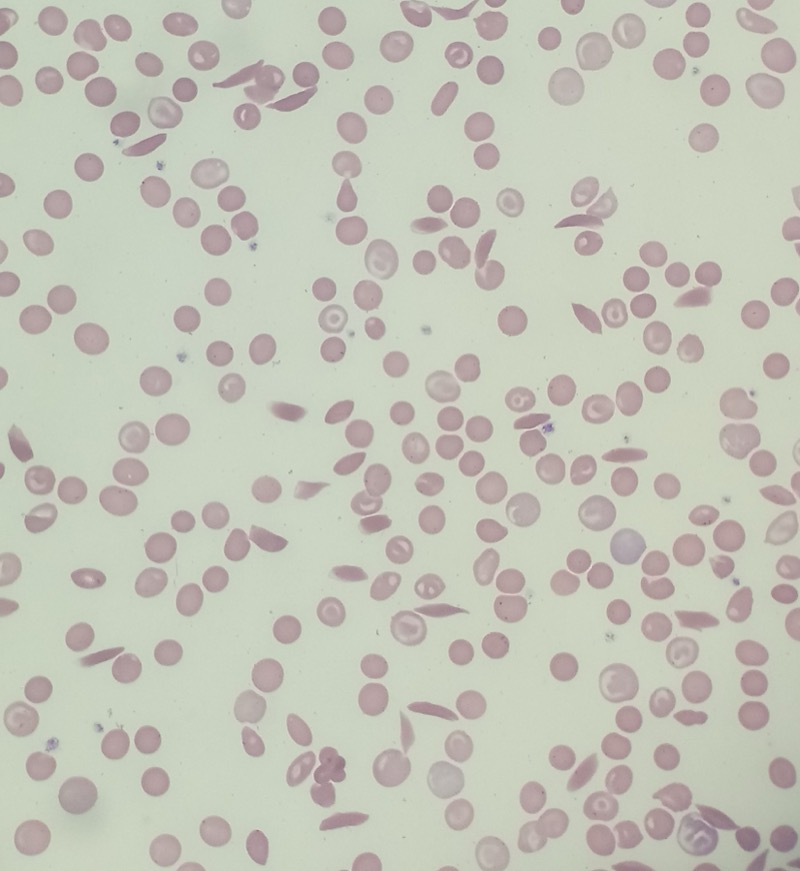
Beta-globin mutation (Glu → Val at position 6). HbS polymerizes under low O2, acidosis, dehydration.
Coombs NEGATIVE. Extravascular + intravascular hemolysis. Smear: sickle cells, target cells, Howell-Jolly bodies (after auto-splenectomy).
Rule: Sickle cells + vaso-occlusive crises + functional asplenia = sickle cell.
ADAMTS13 deficiency → ultra-large vWF multimers → platelet clumping in microvessels → mechanical shearing of RBCs.
Pentad: MAHA + thrombocytopenia + fever + renal failure + neuro changes.
Rule: Schistocytes + thrombocytopenia + Coombs NEGATIVE = MAHA (TTP/HUS).
Warm (IgG, 37°C): Extravascular. Associated with SLE, CLL, alpha-methyldopa. Coombs POSITIVE.
Cold (IgM, 4°C): Intravascular. After EBV/Mycoplasma. Agglutination in cold extremities. Complement activation.
Rule: Positive DAT (direct Coombs) = immune-mediated. Stop there. Coombs tells you everything.
Coombs Decision Tree: Intrinsic vs Extrinsic
One test. Every time. Click each node for the reasoning.
Decision Tree: Hemolytic Anemia Workup
Labs suggest hemolysis (low haptoglobin, elevated LDH, elevated indirect bili, elevated retics). Click each branch to follow the workup.
Workup order matters. (1) Confirm hemolysis with the lab tuple. (2) Smear + DAT in parallel. Smear identifies the morphology (spherocytes, schistocytes, sickle, bite cells, target cells, agglutination). DAT splits immune from non-immune. (3) Reflex tests by morphology. Spherocytes + DAT positive = warm AIHA. Spherocytes + DAT negative = hereditary spherocytosis (EMA binding test). Schistocytes = TMA workup (ADAMTS13, Shiga, DIC panel). Sickle cells = Hgb electrophoresis. Bite cells = G6PD activity (assay AFTER acute crisis · falsely normal during). Wrong order → wasted labs. Smear is cheaper than every send-out panel; let it pick what to send.
Board Walkthrough
25 original clinical vignettes. One at a time, shuffled, never repeats. Right-click or long-press to cross out. Double-tap to highlight.