C-peptide up? Endogenous. Down? Someone's injecting. The labs tell you everything.
The Case
What's Dropping Her Sugar?
Read the vignette. Pick a diagnosis before you scroll.
A 38-year-old woman comes in with 6 weeks of palpitations and drenching sweats after her morning jogs. She says eating a candy bar fixes it every time. She's gained 4 kg without changing her diet. She works as a pharmacy technician. Fasting labs: glucose 42 mg/dL, insulin 280 μU/mL, C-peptide 4.8 ng/mL, proinsulin 58 μU/mL, insulin secretagogues absent.
A. She's injecting insulin from the pharmacy
B. She's stealing sulfonylureas from work
C. Pancreatic beta-cell tumor
D. Type 2 diabetes with insulin resistance
E. Glucagon-producing tumor
Good instinct. She works in a pharmacy, so she has access. But think about what exogenous insulin does to C-peptide. You know how your body makes insulin by chopping proinsulin into insulin + C-peptide? If she's injecting pre-made insulin from a vial, her pancreas has no reason to work. C-peptide would be low, not high. Hers is sky-high. Break it down: high C-peptide = the pancreas made it. Syringe insulin can't raise C-peptide.
Reasonable. Pharmacy tech, easy access. Sulfonylureas kick the pancreas into overdrive, so insulin, C-peptide, and proinsulin would ALL be elevated, just like her labs. But there's one lab that seals this: insulin secretagogues are absent. You know how a drug screen catches what's in your blood? Same idea. If she were taking sulfonylureas, the test would find them. It didn't. Break it down: if secretagogue screen is negative, it's not sulfonylureas. Period.
That's it. Her pancreas is pumping out insulin on its own (high C-peptide + high proinsulin prove it's endogenous), there are no drugs causing it (secretagogues absent), and the classic triad is right here: symptoms after exercise, confirmed low glucose, relief with food. This is insulinoma until proven otherwise.
Close, but backwards. Type 2 diabetes does cause elevated insulin (the body's trying to overcome resistance). But here's the thing: insulin resistance means glucose stays high, not low. This patient has glucose of 42. You know how a locked door works? In T2DM, the insulin key doesn't turn the lock. So glucose piles up OUTSIDE the cells. That's hyperglycemia, not hypoglycemia. Break it down: insulin resistance = high glucose. Hypoglycemia rules it out.
Opposite direction. Glucagon tells the liver to RELEASE glucose. A glucagonoma would cause hyperglycemia, weight loss, and a nasty rash called necrolytic migratory erythema. Think of glucagon as the anti-insulin: if insulin is the "store it" hormone, glucagon is the "spend it" hormone. A tumor making extra glucagon = too much spending = high blood sugar. Break it down: glucagonoma = hyperglycemia + weight loss + skin rash. This patient has hypoglycemia + weight gain. Wrong direction entirely.
The Pattern
Whipple Triad
Tap each card. All three present = real hypoglycemia worth investigating.
💢
Symptoms
Autonomic signs: palpitations, sweating, tremor, hunger. Triggered by fasting or exercise.
🧪
Low Glucose
Documented blood glucose < 55 mg/dL at the time of symptoms. Not just "I felt shaky."
🍬
Resolution
Symptoms go away when glucose is corrected (eating sugar, IV dextrose). No other fix works.
🔍Whipple triad is the starting point. If all three are present, you order the fasting labs: insulin, C-peptide, proinsulin, and a secretagogue screen.
🔑
Whipple Triad = symptoms + BG <55 + relief with glucose. All three or it isn't real hypoglycemia.
Suspect Lineup
Three Villains, One Lab Pattern
Tap each card to flip. Same elevated insulin, three different stories.
🧬
Endogenous tumor
Insulinoma
tap to flip →
The Lab Pattern
Insulin↑↑ HIGH
C-peptide↑↑ HIGH
Glucose↓ LOW
Drug screenNegative
Pancreas making its own insulin without being told. Receipt (C-peptide) matches the cash (insulin).
💉
Outside source
Exogenous Insulin
tap to flip →
The Lab Pattern
Insulin↑↑↑ HIGH
C-peptide↓↓ SUPPRESSED
Glucose↓ LOW
Drug screenNegative
Insulin came from a vial. Pancreas is silent, so no C-peptide receipt. The split is the giveaway.
💊
Drug-induced
Sulfonylurea
tap to flip →
The Lab Pattern
Insulin↑↑ HIGH
C-peptide↑↑ HIGH
Glucose↓ LOW
Drug screenPOSITIVE
Looks identical to insulinoma. The secretagogue screen is the only thing that breaks the tie.
The Workup
Lab Decoder: Who Made the Insulin?
Walk through the decision tree. Guess before each reveal.
Step 1: The patient is confirmed hypoglycemic with high insulin. First question: is the insulin coming from the patient's own pancreas, or from a needle?
Check C-peptide level
Order an abdominal CT
Exactly right. C-peptide is the breadcrumb the pancreas leaves behind. When the pancreas makes insulin, it chops proinsulin into two pieces: insulin + C-peptide. They come out in a 1:1 ratio. So if C-peptide is high, the pancreas is the source. If C-peptide is low while insulin is high, that insulin came from outside.
You're thinking ahead to finding the tumor, but that's step 3. You need to prove it's endogenous FIRST. Imaging without labs wastes time and money. Insulinomas are often tiny (< 2 cm). You need the biochemical diagnosis first.
C-peptide is the key. Think of it like a receipt. Your pancreas can't make insulin without leaving a C-peptide receipt. A syringe doesn't leave one.
🔑
C-peptide is the key: high = made it yourself, low = injected it.
Step 2: C-peptide is HIGH. The pancreas made this insulin. Next: is a drug forcing the pancreas to overproduce, or is the pancreas doing it on its own?
Check for insulin secretagogues
Check proinsulin ratio
Smart. Sulfonylureas and meglitinides are "secretagogues" because they force beta cells to secrete insulin. A drug screen catches them. If the screen is negative, no drug is forcing the pancreas. The beta cells are doing it on their own, which points to an insulinoma.
Proinsulin ratio helps confirm insulinoma (tumors inefficiently process proinsulin, so it's elevated). But you should rule out drugs first. If a patient is secretly taking glipizide, you don't need to go hunting for a tumor.
Secretagogue screen negative + high C-peptide = endogenous, autonomous insulin production. The tumor is making insulin without being told to. That's an insulinoma.
Step 3: No drugs, high C-peptide, high proinsulin. What syndrome should you screen for?
MEN 1 (Multiple Endocrine Neoplasia type 1)
MEN 2A
Right. Insulinomas are pancreatic islet cell tumors. MEN 1 hits the 3 P's: Pituitary, Parathyroid, Pancreas. So an insulinoma CAN be part of MEN 1. Check calcium (parathyroid), prolactin (pituitary), and ask about family history.
MEN 2A is medullary thyroid cancer + pheochromocytoma + parathyroid hyperplasia. No pancreatic tumors in this one. The pancreas is MEN 1 territory.
🔑
MEN 1 = the 1 with Pancreas (Pituitary, Parathyroid, Pancreas)
Every insulinoma patient gets screened for MEN 1. Check serum calcium (hyperparathyroidism) and prolactin (pituitary adenoma). Most insulinomas are sporadic and benign (90%), but MEN 1 means the whole endocrine system needs watching.
🔑
Insulinoma rule of 90s: 90% benign, 90% solitary, 90% in the pancreas. Surgery usually cures it.
The Cheat Sheet
What You Are Looking At
Imaging, surgical anatomy, and the bedside test that started it all.
CT abdomen · pancreatic masstap to expand
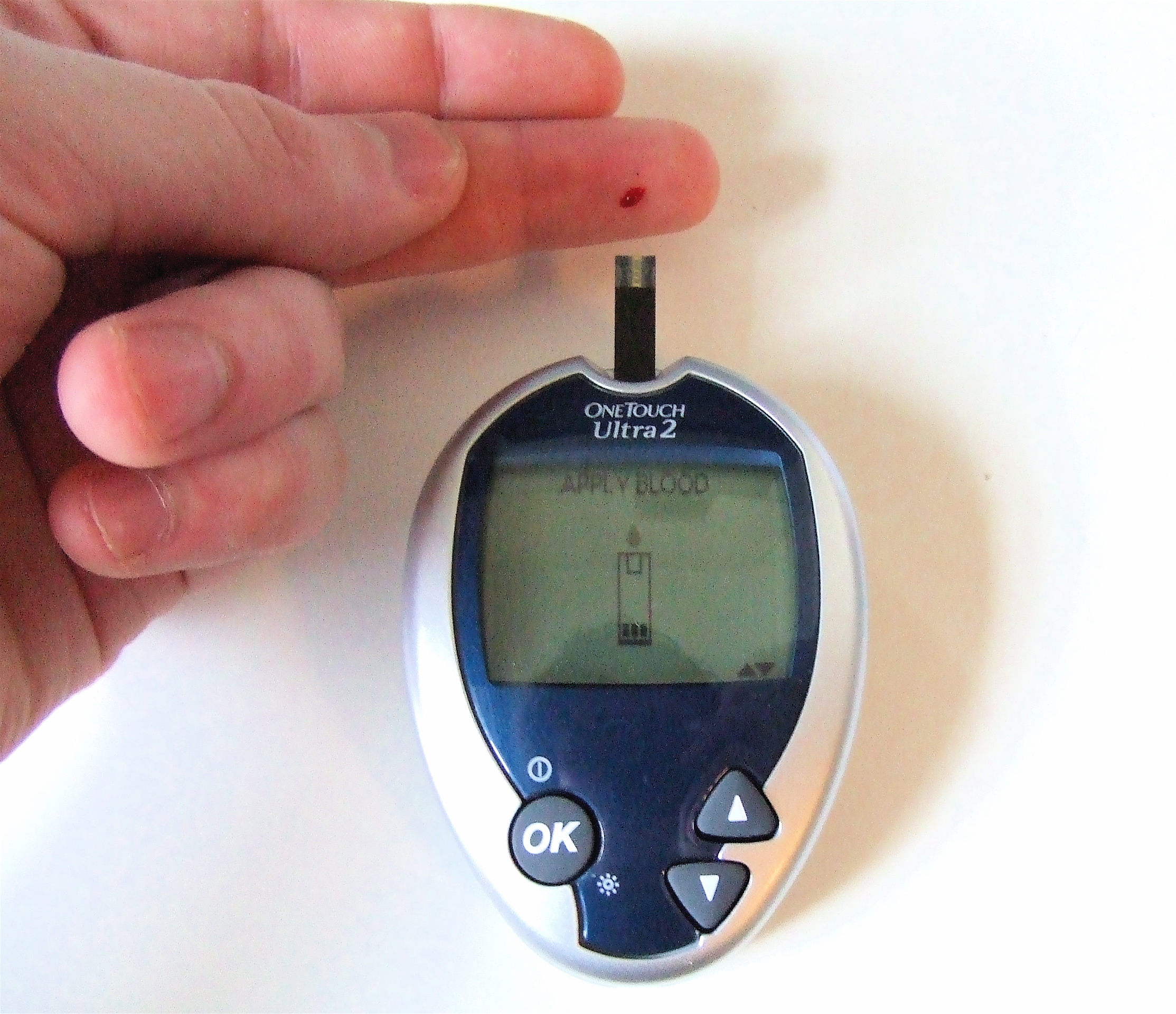
Fingerstick glucose · bedside readingtap to expand
Lab Patterns
Causes of Hypoglycemia: Side-by-Side
This is the table clinical medicine love. One glance at the labs, one diagnosis.
Cause
Insulin
C-peptide
Proinsulin
Secretagogues
The Tell
Insulinoma
↑↑
↑↑
↑↑
Absent
Everything up, no drugs
Exogenous Insulin
↑↑↑
↓↓
↓
Absent
Insulin sky-high, C-peptide suppressed
Sulfonylurea Abuse
↑↑
↑↑
↑
Present
Looks like insulinoma, but drugs found
IGF-2 Tumor
↓
↓
Normal
Absent
Low everything (IGF acts like insulin)
Adrenal Insufficiency
Normal
Normal
Normal
Absent
No counter-regulatory cortisol
⚠
Board Trap: Sulfonylurea vs Insulinoma
The labs look identical except for one thing: the secretagogue screen. Sulfonylureas force the same beta cells to dump the same insulin, so C-peptide and proinsulin go up just like an insulinoma. The ONLY way to tell them apart is the drug screen. clinical medicine LOVE putting a healthcare worker (nurse, pharmacist) in the stem to tempt you toward factitious use. Don't fall for it unless the secretagogue screen is positive.
Narrow It Down
Elimination Round
Five suspects. One set of labs. Tap the diagnosis each clue eliminates.
Glucagonoma
Glucagon-producing tumor
Type 2 DM
Insulin resistance
Exogenous Insulin
Injecting from outside
Sulfonylurea Use
Drug-forced secretion
Insulinoma
Beta-cell tumor
Loading clue...
Prove It
Clinical Vignettes
Five patients with low sugar just showed up. Figure out why before they pass out.
Medically reviewed by Kaitlyn Cocuzzo, MD and Fatima Ali, DO · Last updated July 1, 2026 at 10:03 PM ET
Bone Wizardry is an independent educational resource for visual learning in the medical sciences. It is not affiliated with, endorsed by, or sponsored by any licensing or examination board, contains no real or recalled examination questions, and does not guarantee any educational or examination outcome.