Sugar Metabolisms

Glycolysis · PPP

Galactose & Fructose: Routes, Defects & Catastrophes

Newborn with cataracts and vomiting after breastfeeding. What's happening, and how do you fix it?
It's galactosemia → ASAP diet change & lifelong restriction
It's galactosuria → mostly benign, reassure parents
It's fructose intolerance → avoid fruit sugars
Feed The Baby

Pick a disease, then tap foods to feed the infant. The reaction teaches you which sugar gets stuck and where. Eight diseases · six foods · every combo has a mechanism.

READY
Healthy newborn

Pick a disease above, then tap a food below. The baby will react and the explanation will appear here.

Feeds will log here.
From the Attending

Five sugar-metabolism diseases, all asked the same way on boards: which food triggers the picture? Lactose-driven onset = galactose disorder (GALT classic galactosemia is the dangerous one · cataracts, hepatomegaly, jaundice, E. coli sepsis, intellectual delay if untreated). Fruit/honey/sucrose-driven onset after weaning = fructose disorder (HFI aldolase B is the dangerous one · vomiting, hypoglycemia, jaundice). Use the simulator to fail-on-purpose · each crash is a mechanism you'll never forget.

The Sugar Processing Plant

Click enzymes or "BREAK" buttons to see what accumulates

⚙️ Galactose Conveyor Belt
Galactose
↓ Galactokinase
Gal-1-P
↓ Uridyltransferase
UDP-Gal-1-P
↓ Epimerase
Glucose-1-P
↓ Mutase
G6P → Glycolysis
⚙️ Fructose Conveyor Belt
Fructose
↓ Fructokinase
F1P
↓ Aldolase B
DHAP + Glyceraldehyde
↓ to Glycolysis

The Lens Cell Disaster: Sorbitol Trap

High glucose or galactose → aldose reductase turns it into sorbitol/galactitol → can't leave cell → water rushes in → opacity

Clear Lens
Normal glucose levels
Cloudy Lens
Click to see what's inside

Galactose Metabolism in Detail

Source: Lactose (milk sugar) breaks down into glucose + galactose

Rate-limiting enzyme: Galactokinase (phosphorylates galactose → Gal-1-P)

5-Step Pathway:
1. Galactose → Gal-1-P via Galactokinase
2. Gal-1-P → UDP-Gal-1-P via Gal-1-P Uridyltransferase (requires UDP-Glucose as cofactor)
3. UDP releases glucose → enters glycolysis
4. UDP-Gal-1-P → Glucose-1-Phosphate via Epimerase
5. G6P enters glycolysis

Galactose Defects: Battle Card Comparison

Click cards to flip and see the severe differences

From the Attending

Three galactose defects, three severities. Galactokinase (GALK1) deficiency · mild. Galactitol piles in lens → bilateral infantile cataracts only. Classic galactosemia (GALT) · the dangerous one. Newborn starts breast/formula feeds → vomiting, failure to thrive, jaundice, hepatomegaly, hypoglycemia, E. coli sepsis (galactose blocks glucose for neutrophils), eventually cataracts, intellectual disability if not treated. Galactose-1-phosphate accumulates and is the toxic species. UDP-galactose-4-epimerase · rarest. Treatment for ALL: lifelong galactose-free + lactose-free diet starting at birth. Newborn screen catches GALT.

GALACTOSURIA
💧
Enzyme Defect: Galactokinase
Accumulates: Galactose
Severity: Mild
Symptoms: Cataracts (galactitol in lens via aldose reductase), galactosuria
Cataracts: YES: primary finding
Board Clue: Galactose in urine, clinitest +
GALACTOSEMIA
💀
Enzyme Defect: Gal-1-P Uridyltransferase
Accumulates: Gal-1-P (toxic!)
Severity: SEVERE
Symptoms: After feedings: vomiting, cataracts, seizures
Cataracts: YES (early, reversible if caught)
Board Clue: Newborn + cataract + vomiting = galactosemia
WHY Gal-1-P is toxic: It accumulates in cells (especially lens, brain, liver). The osmotic pressure pulls water INTO the cell → cells swell → burst. In the lens, this causes opacity (cataract). The problem occurs RIGHT AFTER FEEDING because galactose is ingested.

Sorbitol trap correlation: Gal-1-P accumulation + aldose reductase (converting excess galactose to galactitol) compound the osmotic crisis in the lens.

Fructose Metabolism

Key difference from glucose: Fructose enters glycolysis at a DIFFERENT point (not glucose-6-phosphate, but bypasses phosphofructokinase regulation).

Liver pathway:
1. Fructose → F1P via Fructokinase
2. F1P → DHAP + Glyceraldehyde via Aldolase B
3. Products → Glycolysis

Critical: Aldolase B is the ONLY enzyme that cleaves F1P. Without it, F1P accumulates → depletes ATP → hypoglycemia.

Fructose Defects: Battle Card Comparison

From the Attending

Two fructose defects, opposite severity. Essential fructosuria (fructokinase) · benign. Fructose just spills into urine, no symptoms, no treatment needed. "Frucktosuria sounds bad, isn't." Hereditary fructose intolerance (aldolase B) · dangerous. Infant fine on breast milk → introduce fruit/juice/honey/table sugar → fructose-1-phosphate piles up → traps phosphate → ATP depletion → hypoglycemia, vomiting, jaundice, liver damage. "After weaning, baby vomits when given fruit" = HFI. Treat by avoiding fructose, sucrose, sorbitol for life.

ESSENTIAL FRUCTOSURIA
Enzyme Defect: Fructokinase
Accumulates: Fructose (excreted)
Severity: Benign
Symptoms: NONE (asymptomatic)
Diagnosis: Fructose in urine (incidental finding)
Mnemonic: Essentially harmless
HEREDITARY FRUCTOSE INTOLERANCE
💥
Enzyme Defect: Aldolase B
Accumulates: F1P (depletes ATP)
Severity: SEVERE
Symptoms: After fruit/sucrose: vomiting, hypoglycemia, failure to thrive
Mechanism: F1P depletion of ATP → inhibits gluconeogenesis + glycogenolysis
Board Clue: Infant gets sick after eating fruit/juice
F1P accumulation = ATP depletion: F1P cannot be metabolized further, it TRAPS phosphate. This depletes the ATP/AMP ratio, making the hepatocyte think it's "energy poor" → turns OFF gluconeogenesis and glycogenolysis → SEVERE HYPOGLYCEMIA.

Why fructose is "worse" than glucose metabolically: Fructokinase doesn't respond to feedback inhibition like hexokinase does. It will phosphorylate ALL the fructose present, regardless of energy state.

Sticky Memory Hooks

🧲
GalactoSURIA vs GalactoSEMIA
GalactoSURIA = galactokinase deficiency: galactitol in the lens via aldose reductase causes CATARACTS (primary finding) plus galactosuria. GalactoSEMIA = Severe: Gal-1-P accumulates, Everything Messes up (vomiting, liver, brain, AND cataracts)
Click to reveal
🎯
Aldose Reductase Villain
Aldose Reductase is the villain of BOTH diabetes AND galactosemia → turns sugar into sugar alcohol that's TRAPPED in cells like water balloons → sorbitol/galactitol osmotic lysis
Click to reveal
🥛
Milk vs Fruit
Galactosemia baby vomits after MILK (lactose = galactose). Fructose intolerance baby vomits after FRUIT (or juice). Remember: MILK = GALACTOSE, FRUIT = FRUCTOSE
Click to reveal
🔑
Essential Fructosuria Mnemonic
Essential Fructosuria = Essentially harmless. Hereditary Fructose Intolerance = Horribly dangerous (Aldolase B = Bad when Broken)
Click to reveal
F1P Depletion
F1P accumulation = ATP is TRAPPED, hepatocyte feels "energy poor" → shuts down gluconeogenesis + glycogenolysis = SEVERE HYPOGLYCEMIA after fructose
Click to reveal
👶
Board Favorite: Newborn Presentation
Newborn vomiting shortly after BREASTFEEDING + CATARACTS = think galactosemia immediately. Switch to lactose-free formula STAT.
Click to reveal

Feed The Baby

Pick an enzyme deficiency, then tap foods to see what happens

👶

Step 1: Pick the enzyme deficiency

Step 2: Feed the baby

🧶 Breast Milk
🍼 Cow Milk Formula
🍅 Soy Formula
🍎 Fruit Puree
🥣 Apple Juice
🍯 Honey
🍰 Table Sugar (Sucrose)
Birth
Days 2-5
Weeks
4-6 mo
1 yr

Animated Pathway: Watch the Flow

See metabolites move through normal pathways, then block enzymes to watch where things pile up

GALACTOSE PATHWAY Galactose Galactokinase Gal-1-P GALT UDP-Galactose Epimerase Glucose-1-P GLYCOLYSIS Aldose Reductase Galactitol FRUCTOSE PATHWAY Fructose Fructokinase F1P Aldolase B DHAP G3P GLYCOLYSIS Pi TRAPPED ATP DEPLETED Both arms feed into glycolysis

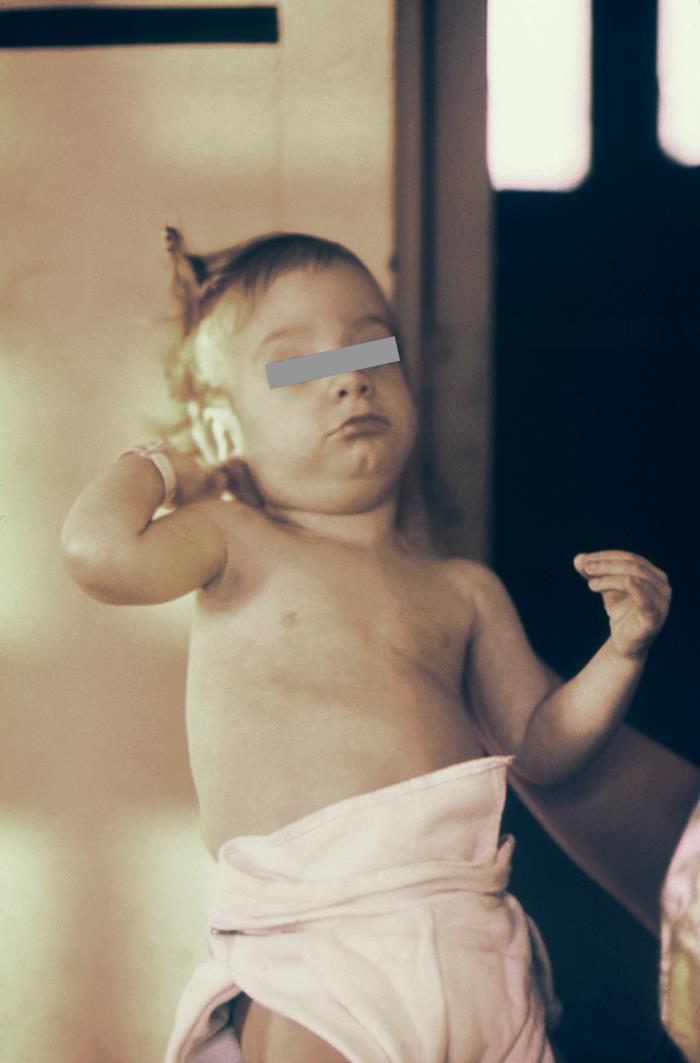
Clinical Photo Gallery

Real clinical images relevant to galactose and fructose metabolism disorders

Bilateral congenital cataracts in a 7-month-old infant
Bilateral cataracts in infant: opacity visible when lids retracted. Key finding in galactosemia and galactokinase deficiency.
18-month-old with congenital cataracts
Congenital cataracts in 18-month-old. Metabolic cataracts (galactosemia) can reverse if galactose removed early; late diagnosis = permanent.
Neonatal jaundice
Neonatal jaundice: yellowish skin from bilirubin buildup. In galactosemia, liver damage causes conjugated hyperbilirubinemia early.
Liver cirrhosis gross specimen
Liver cirrhosis: nodular surface from chronic injury. Untreated galactosemia and HFI both progress to hepatic fibrosis and cirrhosis.
×

Diagnostic Algorithm: Newborn with Vomiting + Sweet Substance in Urine

Walk through the diagnostic tree to narrow the diagnosis

From the Attending

Timing of vomiting tells you the sugar. Onset with breastfeeding/formula (lactose → galactose) · classic galactosemia (GALT). Reducing substances in urine + reducing sugar that is NOT glucose on Clinitest + galactose on chromatography. Onset with weaning to fruit/juice/honey/sucrose · hereditary fructose intolerance (aldolase B). Same urine pattern but the trigger is fructose, not galactose. Both → check the newborn screen: GALT is on most state panels, HFI is not (relies on dietary history). The trigger food names the enzyme. Treatment for both: eliminate the offending sugar from diet.

Four cases. Read the discriminating finding, lock in your answer, THEN see if you were right. Branch on cataracts, jaundice, hypoglycemia, E. coli sepsis, or benign.

Case 1 of 4 · The lens-only baby
A 5-month-old is feeding and growing normally on breast milk. The only finding is bilateral lens opacities on red-reflex screening. No jaundice, no vomiting, no big liver. Which deficiency?
Galactokinase deficiency
Classic galactosemia (GALT)
Hereditary fructose intolerance (aldolase B)

Now walk the full branching algorithm:

1
Does vomiting occur RIGHT AFTER BREASTFEEDING?
Yes, within minutes of feeding
No, more delayed or after solid food
2a
Does the infant have CATARACTS?
YES → Cataracts present
Cataracts only (no vomiting, no liver disease)
2b
Was the trigger FRUIT, JUICE, or SUCROSE (table sugar)?
YES → Fructose-containing food triggered it
No clear food trigger, vomiting is persistent
3a
Labs show clinitest positive (galactosuria). Cataracts present but NO vomiting or liver disease?
YES → Cataracts + galactosuria, no systemic toxicity
No, cataracts + vomiting + jaundice/liver disease → Classical galactosemia
3b
Is the infant HYPOGLYCEMIC and has F1P trapping ATP?
YES → Hereditary Fructose Intolerance
No, this doesn't fit
4
Fructose in urine but ZERO symptoms, found incidentally?
YES → Essential Fructosuria (benign)
No, need more info → Start over
GALACTOSURIA
(Galactokinase deficiency)

Galactokinase deficiency: galactose converted to galactitol via aldose reductase. Galactitol accumulates in the lens, causing cataracts. Galactosuria (positive clinitest). No vomiting, no liver failure, no intellectual disability. Cataracts are the PRIMARY and DEFINING finding.
Evaluate another case
GALACTOSEMIA
(Gal-1-P Uridyltransferase deficiency)

SEVERE. Gal-1-P accumulates → osmotic lysis. Symptoms START IMMEDIATELY after lactose ingestion. CATARACTS (often reversible if caught early). Seizures, vomiting, liver damage, intellectual disability if untreated. SWITCH TO LACTOSE-FREE FORMULA IMMEDIATELY.
Evaluate another case
ESSENTIAL FRUCTOSURIA
(Fructokinase deficiency)

BENIGN. Fructose excreted in urine. NO SYMPTOMS. Incidental finding. Reassure parents. No dietary restrictions needed. Essentially harmless.
Evaluate another case
HEREDITARY FRUCTOSE INTOLERANCE
(Aldolase B deficiency)

SEVERE. F1P accumulation → ATP depletion → hepatocyte "energy poverty" → SEVERE HYPOGLYCEMIA + vomiting after fructose/sucrose ingestion. AVOID ALL FRUCTOSE, SUCROSE, SORBITOL. Check for liver cirrhosis if untreated.
Evaluate another case

Quiz: Test Your Knowledge

Show 5 random questions from the board-style question bank

5/5
Perfect! You dominate sugar metabolism.
Medically reviewed by Kaitlyn Cocuzzo, MD and Fatima Ali, DO · Last reviewed June 2026