Reproductive

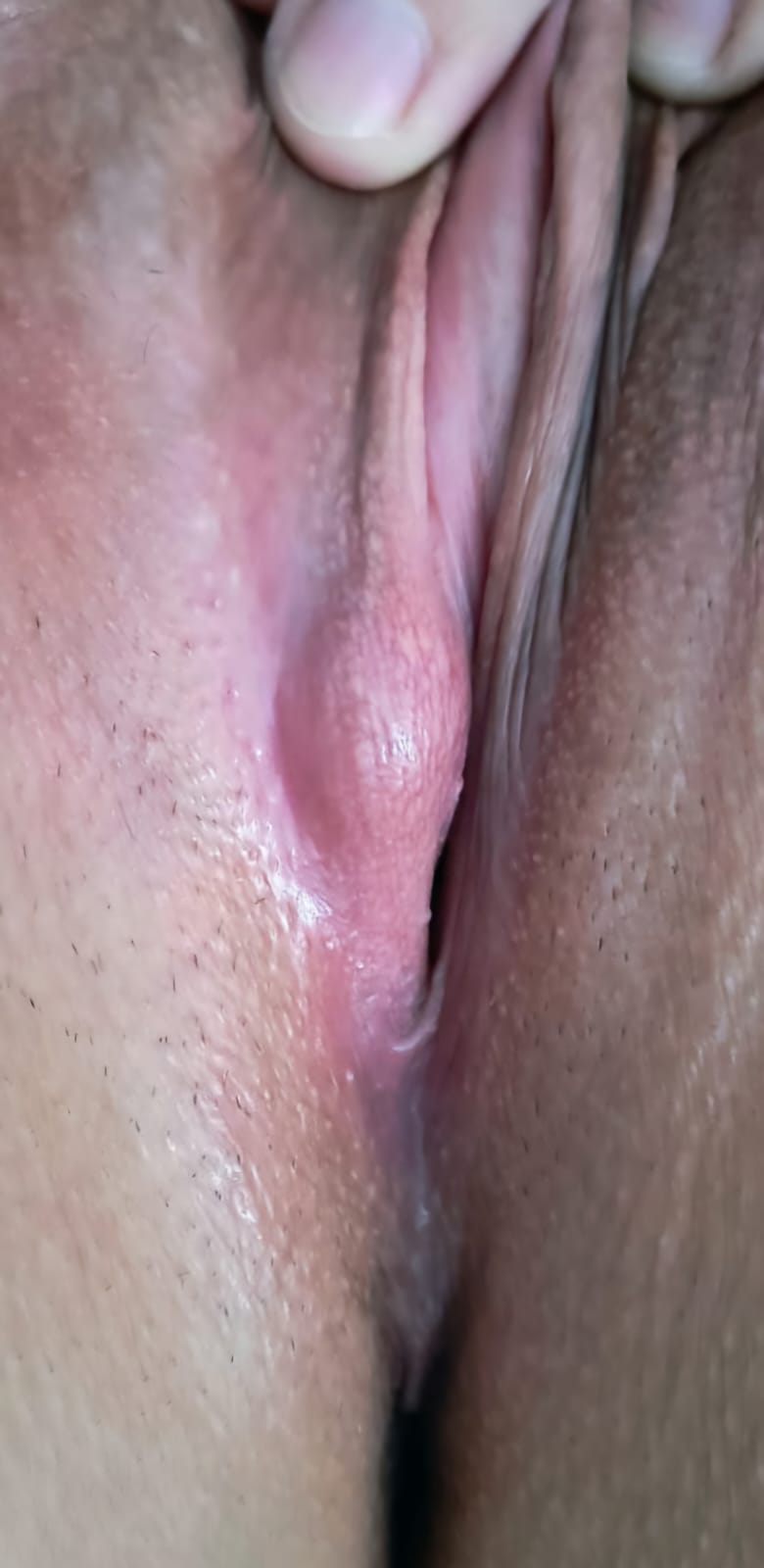
Bartholin Gland Cyst

A blocked gland that turns a minor anatomy lesson into a surgical consult. Know when to drain and when to marsupialize.

REPRO · GYN

Bartholin Gland Cyst

A painless pink bump at the vaginal opening. Know where it lives, what it becomes, and when a 2x2cm cyst stops being a simple story.

A Routine Exam with One Surprise

Read the vignette. Trust your gut. Then reveal.

Clinical Vignette
A 22-year-old woman comes in for a routine pelvic exam. She reports no pain, no discharge, no fever. On exam you find a 2x2 cm pink, fluctuant swelling at the right posterior vaginal introitus, at roughly the 4 o'clock position. It is soft, smooth, and non-tender to palpation. No overlying erythema. No odor. She has never had any vaginal swelling before.

What structure is involved, and what is the diagnosis?
This is a Bartholin gland cyst (greater vestibular gland cyst). The Bartholin glands live at the 4 and 8 o'clock positions at the posterior vaginal introitus. When the duct gets blocked, secretions back up behind it. The result: a painless, soft, fluctuant cyst. She feels nothing because there is no infection. If bacteria moved in, it would become an abscess and she would be in serious pain. The classic board clue is location: posterior introitus, 4 or 8 o'clock.
📍
Bartholin glands = 4 and 8 o'clock, posterior vaginal introitus. The minute you see "posterior introitus" on a board question, think Bartholin.

Vulvar Anatomy Map

Tap a gland location on the diagram. Know every gland, know every position.

External Genitalia · Anterior View
Tap any highlighted region to learn its gland
MONS Clitoris Skene Introitus 4 o'c Bartholin 8 o'c Bartholin Gartner Perineum 8 o'clock 4 o'clock
Gland Location Game
Given the location, identify the gland. 4 rounds. No pressure.
Done! You know your landmarks. That is exactly the kind of thing the boards love to test.
2 / 5

Cyst vs Abscess

One is a quiet backup. The other is a party the bacteria started without permission.

💧
Cyst
Bartholin Cyst
PainPainless
CauseDuct obstruction, fluid buildup
ContentsClear mucoid secretions
FeverNone
ErythemaNone or minimal
TreatmentSitz baths if symptomatic
🔥
Abscess
Bartholin Abscess
PainExquisitely tender
CauseCyst + bacterial infection
ContentsPurulent material
FeverOften present
ErythemaMarked erythema and warmth
TreatmentI&D, Word catheter, or marsup.

Think of the Bartholin gland like a garage that got its door jammed shut. The secretions it makes for lubrication keep accumulating behind the blocked door. That is the cyst -- uncomfortable but not infected, just backed up. It is quiet and painless.

Now imagine mice moved into the garage. Suddenly it is hot, swollen, and nobody wants to go near it. That is the abscess. Same structure, now infected. The tenderness is the key clinical flip -- when a Bartholin cyst suddenly becomes painful, assume abscess until proven otherwise.

Board Trap: The Age Rule
If the patient is over 40 and has a new Bartholin gland swelling, the approach changes. After 40, the risk of adenocarcinomaBartholin gland carcinoma. Rare but real. Bartholin gland tissue can undergo malignant transformation, especially in postmenopausal women. Must biopsy any new mass in this age group. rises enough that biopsy is required before or at the time of any procedure. A 45-year-old with a Bartholin mass is not just treated -- she is biopsied. The boards love this. Under 40 = treat. Over 40 = biopsy first.
🔎
Organisms that commonly cause Bartholin abscess: polymicrobial (Bacteroides, E. coli, Staphylococcus, Streptococcus). STIs like gonorrhea and chlamydia can contribute but are not the only cause -- do not assume STI without evidence.
3 / 5

The Treatment Ladder

Each episode escalates. Tap a step to see when and why you use it.

1Sitz Baths
2Antibiotics
3Word Catheter
4Marsupial.
5Excision
Step 1 · Conservative
Sitz Baths

Warm water soaks for the vulvar area, 10-15 minutes several times a day. The warmth increases blood flow and can help the cyst drain spontaneously.

Works best for: small, asymptomatic cysts or as adjunctive care after procedures. The cyst has to be small enough that there is a reasonable chance it will resolve on its own.

Think of it like soaking a splinter before you try to pull it. You are just warming things up to see if nature handles it first.

Use when: Small Bartholin cyst, first episode, no signs of infection
Step 2 · First Infection
Antibiotics

The board rule is direct: after the first infection, treat with antibiotics. Cover both aerobic and anaerobic organisms (think broad-spectrum, e.g., augmentin or cephalexin + metronidazole, or doxycycline if STI suspected).

Antibiotics alone may not drain the pus from a formed abscess -- if there is fluctuance and pus, drainage is needed alongside antibiotics, not instead of them.

Use when: First-time Bartholin abscess, early infection, no recurrence yet
Step 3 · I&D + Drainage
Word Catheter

A small balloon-tipped catheter is inserted into the drained abscess cavity and inflated. It stays in place for 4-6 weeks while a new epithelialized tract forms, creating a permanent drainage channel.

Think of it like installing a drain in a flooded basement. The original hole will close up if you just open it -- the catheter keeps it open long enough for the body to build a proper duct. Success rate is high when done correctly.

Office-based, fast, and preferred for acute abscess when available. Less invasive than marsupialization.

Use when: Acute Bartholin abscess, office setting, want to create a new drainage tract
Step 4 · Recurrence
Marsupialization

The cyst or abscess wall is surgically opened, the edges are sutured open to the surrounding skin, creating a permanent pouch (like a marsupial's pouch -- hence the name). The duct stays open permanently.

The board rule: after the second infection, perform surgery (marsupialization) after antibiotics. This is the board answer when recurrence is mentioned.

Done in the OR under anesthesia. Recurrence rate is low. Preserves gland function (lubrication still happens).

Use when: Second episode or recurrent Bartholin abscess
Step 5 · Last Resort / Age Rule
Excision + Biopsy

Complete surgical removal of the Bartholin gland. Done when marsupialization has failed repeatedly, or when the patient is over 40 (or postmenopausal) and malignancy must be ruled out.

The board rule: after age 50, resect and check for cancer. Any new Bartholin gland mass in a woman over 40-50 should be biopsied. Bartholin gland carcinoma, though rare, presents exactly like this.

Removing the gland eliminates lubrication, so this is reserved for failure of all other options or when cancer cannot be excluded.

Use when: Age >40 with new mass, OR multiple recurrences after marsupialization
📄
The treatment ladder: Asymptomatic = observe. First infection = antibiotics. Second infection = antibiotics + marsupialization. Age >50 = resect and biopsy for cancer.
4 / 5

The Differential at the Introitus

Four masses, four locations. Location is everything here.

Bartholin Cyst/Abscess
Location: Posterior introitus, 4 and 8 o'clock
Greater vestibular gland. Fluctuant. Painless if cyst, exquisitely tender if abscess. The posterior introitus is the giveaway. Congenital origin. Biopsy if >40.
Gartner Duct Cyst
Location: Anterolateral vaginal wall
Embryologic remnant of the mesonephric ductThe Wolffian duct. Normally regresses in females. Remnants can form cysts along the anterolateral vaginal wall. This is a developmental remnant, not a gland obstruction.. It is not a gland -- it is a duct remnant. Anterolateral position, not posterior. No connection to introitus.
Skene Gland Cyst
Location: Periurethral, near external meatus
Skene glandsLesser vestibular glands. Located on both sides of the urethral meatus. Can form small cysts but are much less common than Bartholin cysts. sit right next to the urethra. If the mass is near the urethral opening -- not the posterior introitus -- think Skene. Can cause urinary symptoms (dysuria, hesitancy).
Sebaceous / Inclusion Cyst
Location: Labia majora / minora, anywhere
Keratin-filled cyst from blocked sebaceous glands. Usually small, superficial. Located anywhere on the labia -- not location-specific. No gland involvement. Firm, not fluctuant. Benign, treat only if symptomatic.
📎
Memory trick for the locations: Bartholin = Back (posterior). Gartner = Going anterolateral. Skene = next to the Sphincter (urethra).🔑B = Back. G = Going anterolateral. S = Side of urethra. Picture them as three bouncers: Bartholin guards the back door, Gartner's on the side hall, Skene's at the bathroom door.
Board Trap: Vulvar Carcinoma
A firm, irregular, non-fluctuant mass in the same location, in a woman >60, with pruritus and ulceration -- that is vulvar squamous cell carcinoma until proven otherwise. Bartholin cysts are fluctuant, soft, and smooth. Carcinoma is firm, irregular, and sometimes ulcerated. Any doubt = biopsy. Age + firmness + irregular edge = rule out malignancy immediately.

Decision Tree: Bartholin Gland Pathology Workup

Vulvar mass at the introitus. Walk the tree.

Vulvar mass in a woman: location and characteristics?

Clinical Vignettes

5 patients just walked into your clinic. Don't let location trip you up.

Keep going. You are building something real here.
5 / 5
Board-Style Walkthrough

Board-Style Walkthrough

Original board-style vignettes. Shuffled, never-repeat, full explanations for every choice.