One gains a function. The other loses one. Every board question about cancer genetics hinges on knowing which direction the mutation goes.
The anchor: p53 is associated with over 60% of cancers. If you do not know a marker and you see p53, pick it. Methylation is the #1 way to silence a gene, and it requires energy. As you age, your ability to suppress oncogenes goes down.
Scroll to begin
THE CLINICAL PHOTOS
What These Genes Look Like
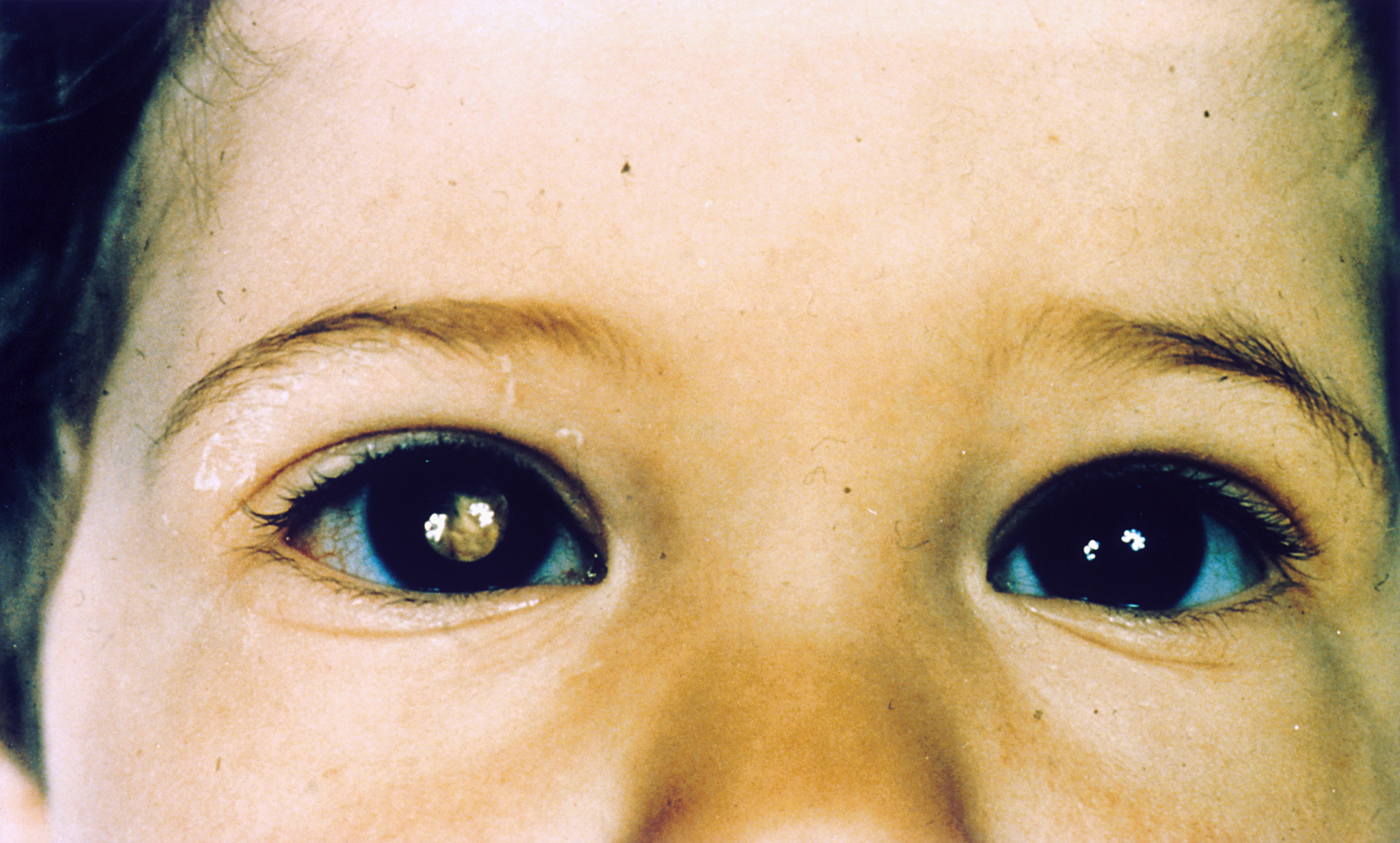
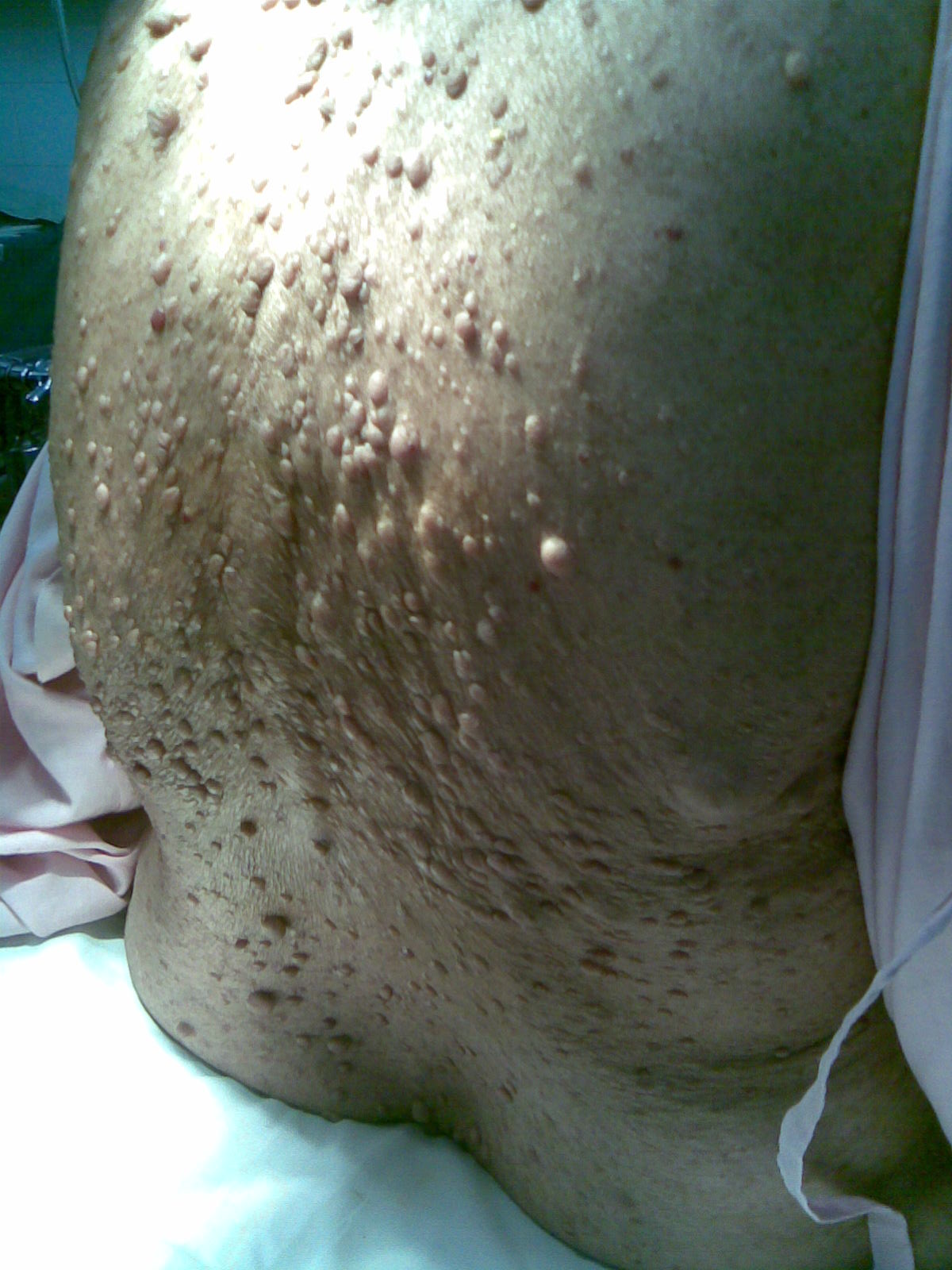
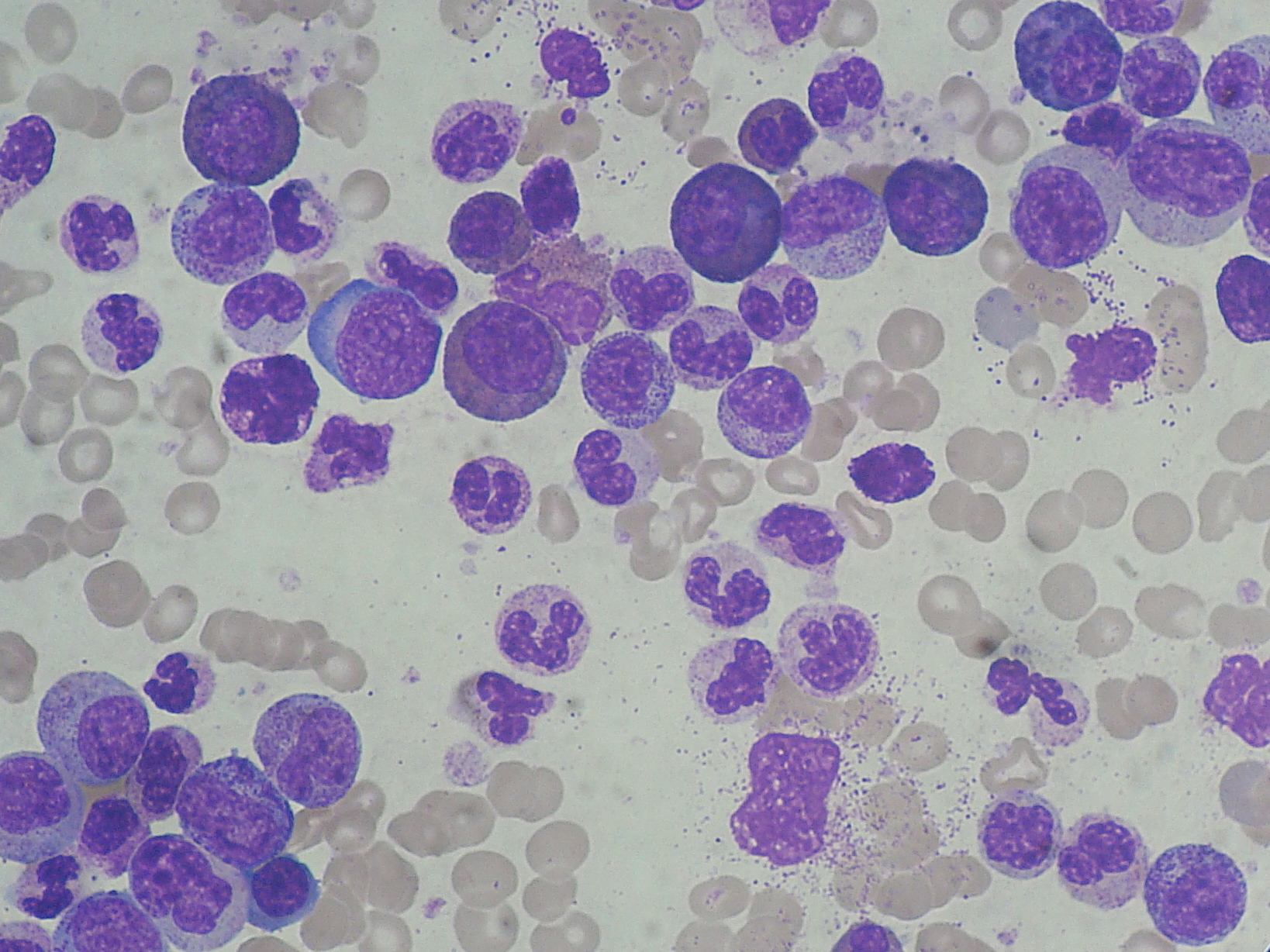
Retinoblastoma, neurofibromatosis, renal cell carcinoma, and breast cancer. Tap any photo to enlarge.
Retinoblastoma: leukocoria
NF1: cafe-au-lait spots
CML: BCR-ABL smear
The Core Concept
Cancer genetics comes down to two types of broken genes:
Oncogenes = gain of function. One mutant allele is enough. The gas pedal gets stuck ON.
Tumor suppressors = loss of function. Both alleles must be lost (two-hit hypothesis). The brake pedal is removed.
Methylation is the #1 way to silence genetic material. It requires energy. As you age, your energy for methylation drops, which is why your ability to suppress oncogenes declines with age. Cancer is a disease of aging.
★The enhancer analogy: An enhancer jumps up and says "hey, he needs seven million cells today, not the regular two million." It enhances how many copies get made. When an oncogene is activated, it is like an enhancer stuck in the ON position.
INTERACTIVE
Gain vs Loss Sorting Game
Tap a gene chip, then tap the correct bucket to place it. Oncogenes gain a function. Tumor suppressors lose one.
Tap a gene chip below, then tap the correct bucket to place it.
Oncogene (Gain of Function)
Tumor Suppressor (Loss of Function)
THE CONCEPTS
High-Yield Cancer Genetics
The associations that show up on every clinical practice. Tap to learn each one.
Two-Hit Hypothesis (Knudson)
Tumor suppressors require both alleles to be knocked out. Inherited (familial) cancers get the first hit from a germline mutation at birth. They only need one more somatic hit. Sporadic cancers need both hits to happen somatically, which takes longer.
This is why inherited retinoblastoma presents bilateral and early (both eyes, childhood), while sporadic retinoblastoma presents unilateral and later (one eye, older child).
NF1 vs NF2
NF1: Chromosome 17 (17 has a "1" in it). Peripheral neurofibromatosis. Cafe-au-lait spots, Lisch nodules, axillary freckling, optic gliomas.
NF2: Chromosome 22 (22 has two "2"s in it). Central neurofibromatosis. Bilateral acoustic neuromas (vestibular schwannomas). Think: "2 ears, 2 tumors, chromosome 22."
The "Liar" Omas
These end in "-oma" but are malignant despite the benign-sounding suffix:
Hepatoma (hepatocellular carcinoma)
Melanoma
Lymphoma
Mesothelioma
Seminoma
Teratoma (can be malignant)
Metastasis Targets
The six places cancer loves to go: Brain, bone, lung, liver, adrenal, pericardium. Metastatic disease is far more common than primary cancers at these sites.
⚠️
Board Trap: VHL Location
VHL is on the short arm of chromosome 3. It causes renal cell carcinoma, hemangioblastomas (cerebellum, retina, spinal cord), and pheochromocytoma. VHL normally degrades HIF (hypoxia-inducible factor). Without VHL, HIF stays active and drives VEGF production, which is why these tumors are so vascular.
ELIMINATION GAME
Name That Mutation
A clinical vignette. Eight possible genes. Eliminate until one stands. Tap to eliminate.
Elimination Round
A 2-year-old boy presents with leukocoria (white pupillary reflex) in the left eye. His father had bilateral eye tumors removed at age 3. Genetic testing reveals a germline mutation. Which gene is responsible?
Tap cards to eliminate them. The correct gene will be the last one standing.
RAS
Oncogene. Gain-of-function. Not eye tumors.
BCR-ABL
Philadelphia chromosome. CML. Hematologic.
RB1
Tumor suppressor. Chromosome 13q14.
APC
Familial adenomatous polyposis. Colon.
HER2/neu
Oncogene. Breast cancer amplification.
BRCA1
DNA repair. Breast and ovarian cancer.
VHL
Renal cell carcinoma. Chromosome 3p.
p53
Guardian of genome. Li-Fraumeni syndrome.
clinical WALKTHROUGH
Clinical Vignettes
25 original clinical questions. Shuffled, never-repeat. Post-answer clue highlights show you what to look for next time.
Medically reviewed by Kaitlyn Cocuzzo, MD and Fatima Ali, DO · Last updated July 5, 2026 at 8:04 PM ET
Bone Wizardry is an independent educational resource for visual learning in the medical sciences. It is not affiliated with, endorsed by, or sponsored by any licensing or examination board, contains no real or recalled examination questions, and does not guarantee any educational or examination outcome.