Gram-positive cocci. Clusters vs chains, catalase vs coagulase, and the lab algorithm that sorts them all.
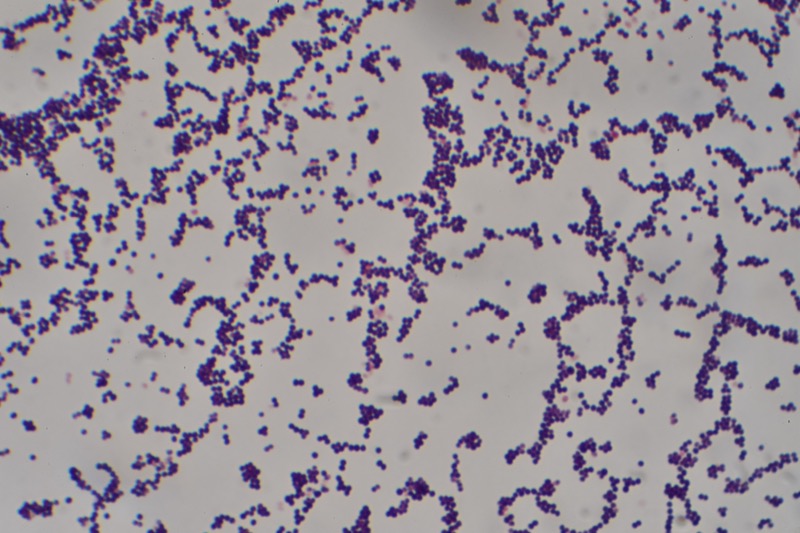
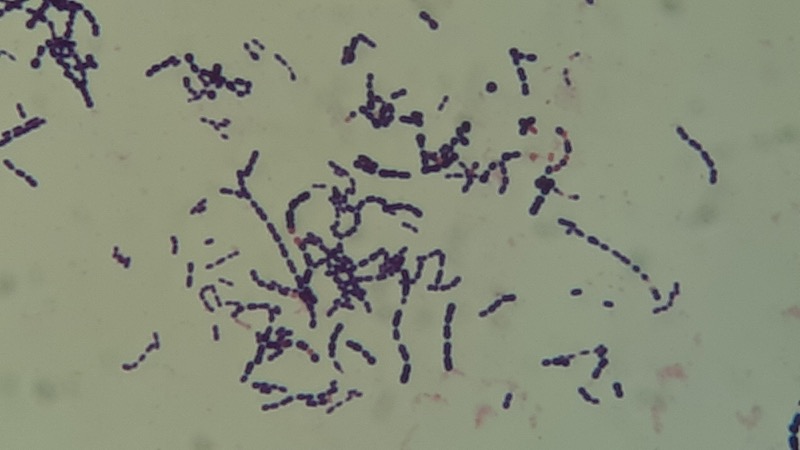
You know it's Staph (catalase positive, clusters). Now what? The next test is coagulase.
Meet the family:
| Organism | Coagulase | Key Feature | Diseases |
|---|---|---|---|
| S. aureus | POSITIVE | Golden pigment, most virulent | Skin infections, endocarditis, osteomyelitis, food poisoning, MRSA |
| S. epidermidis | Negative | Biofilm on prosthetics, novobiocin sensitiveThis is how you tell epidermidis from saprophyticus. Epidermidis is SENSITIVE to novobiocin (killed by it). Saprophyticus is RESISTANT. This is a pure board fact · novobiocin is rarely used clinically. | Prosthetic valve endocarditis, catheter infections, joint replacements |
| S. saprophyticus | Negative | Novobiocin RESISTANT | UTIs in young sexually active women (2nd after E. coli) |
Catalase negative, chains on Gram stain. It's Strep. Now you look at hemolysis pattern on a blood agar plate.
BETA-hemolytic Strep (complete destruction):
ALPHA-hemolytic Strep (partial · green zone):
GAMMA-hemolytic (no hemolysis):
Drag each organism into the correct category. No peeking back up.
Round 1: Catalase · Staph or Strep?
This is the algorithm. You see gram-positive cocci. Walk through each branch. At each fork, you'll be quizzed before the path reveals.
Catalase first. Always.
Clusters suggest Staph, but you confirm with catalase. Coagulase comes AFTER you've established it's Staph. Optochin is for differentiating alpha-hemolytic Strep · way too early.
The Full Algorithm (reference):
Pick the arrangement on Gram stain. Follow the branch to organism and treatment.
Everything on one table. Scroll sideways on mobile.
| Organism | Catalase | Key Test | Hallmark | Top Disease |
|---|---|---|---|---|
| S. aureus | + | Coagulase + | Golden pigment, protein A | Skin, endocarditis, osteo, MRSA |
| S. epidermidis | + | Novobiocin S | Biofilm on prosthetics | Prosthetic valve/joint infections |
| S. saprophyticus | + | Novobiocin R | UTI bug in young women | UTI (#2 after E. coli) |
| S. pyogenes (GAS) | − | Bacitracin S | Beta-hemolysis | Pharyngitis, rheumatic fever, NF |
| S. agalactiae (GBS) | − | Bacitracin R | Beta-hemolysis | Neonatal meningitis/sepsis |
| S. pneumoniae | − | Optochin S | Alpha, lancet diplococci | Meningitis, pneumonia (#1 both) |
| Viridans group | − | Optochin R | Alpha, dental flora | Subacute endocarditis (damaged valves) |
| Enterococcus | − | Bile esculin +, 6.5% NaCl | Gamma (no hemolysis) | UTIs, biliary, VRE |
Tap any card to reveal the dossier. Tap again to flip back.
ID: Clusters, catalase +, coagulase +
Toxins: Protein A, TSST-1, PVL (Panton-Valentine leukocidin)
Diseases: Skin abscesses, endocarditis, osteomyelitis, food poisoning, SSSS, TSS
MRSA: Altered PBP2a; treat with vancomycin or linezolid
Hook: IVDU + acute endocarditis + tricuspid valve
ID: Clusters, catalase +, coagulase -, novobiocin SENSITIVE
Virulence: Slime-layer biofilm on prosthetic material
Diseases: Prosthetic valve endocarditis, catheter BSI, prosthetic joint infection
Key: Low virulence; dangerous only on implanted foreign bodies
Hook: Coagulase-negative staph on a prosthetic valve = epidermidis
ID: Chains, catalase -, beta-hemolytic, bacitracin SENSITIVE
Toxins: Streptolysin O/S, erythrogenic toxin, M protein
Diseases: Pharyngitis, scarlet fever, impetigo, necrotizing fasciitis, rheumatic fever, PSGN
Key: ASO titer confirms post-strep complications
Hook: Rheumatic fever only after PHARYNGITIS, not skin infection
ID: Chains, catalase -, beta-hemolytic, bacitracin RESISTANT
Tests: CAMP test positive; hippurate hydrolysis positive
Diseases: Neonatal meningitis, sepsis, pneumonia; UTIs in pregnant women
Prevention: Screen at 35-37 weeks; intrapartum ampicillin if positive
Hook: Neonate + beta-hemolytic strep + bacitracin resistant = GBS
ID: Lancet-shaped diplococci, alpha-hemolytic, optochin SENSITIVE, bile soluble
Special: Quellung reaction +, polysaccharide capsule = major virulence factor
Diseases: #1 bacterial pneumonia, #1 adult bacterial meningitis, otitis media
Risk groups: Sickle cell, asplenia, alcoholics, elderly
Hook: Post-splenectomy + encapsulated organism = pneumococcus first
ID: Pairs/short chains, catalase -, gamma-hemolytic, grows in 6.5% NaCl, bile esculin +
Diseases: UTIs, biliary infections, nosocomial endocarditis
Resistance: VRE: D-Ala-D-Lac substitution blocks vancomycin; treat with linezolid or daptomycin
Intrinsic: Resistant to cephalosporins and clindamycin
Hook: Elderly man after prostate surgery + gram-positive UTI = Enterococcus
Tap any image to expand. Images via Wikimedia Commons.
5 patients just showed up with infections. The micro lab sent results. Match the bug to the patient before rounds start.
Gram stain comes back: gram-positive cocci. That's all you know. Time to figure out what you're dealing with.
Every gram-positive cocci question in clinical practice starts here. One test. Two families. Done.
WHY: Staph produces the enzyme catalase, which breaks down H2O2 into water + oxygen. The oxygen is what makes the fizzy bubbles. Strep can't do this.
🔑 CATalase = staph. Cats are independent loners (clusters). Dogs chain together on walks (strep chains). Cats = catalase.On Gram stain, you can also see the difference:
