Gram-negative rods, close relatives, completely different board answers. The MacConkey plate is your weapon.
Scroll to begin
THE CLINICAL PHOTOS
What These Organisms Look Like
MacConkey plates, gram stains, and clinical findings. Tap any image for full view.
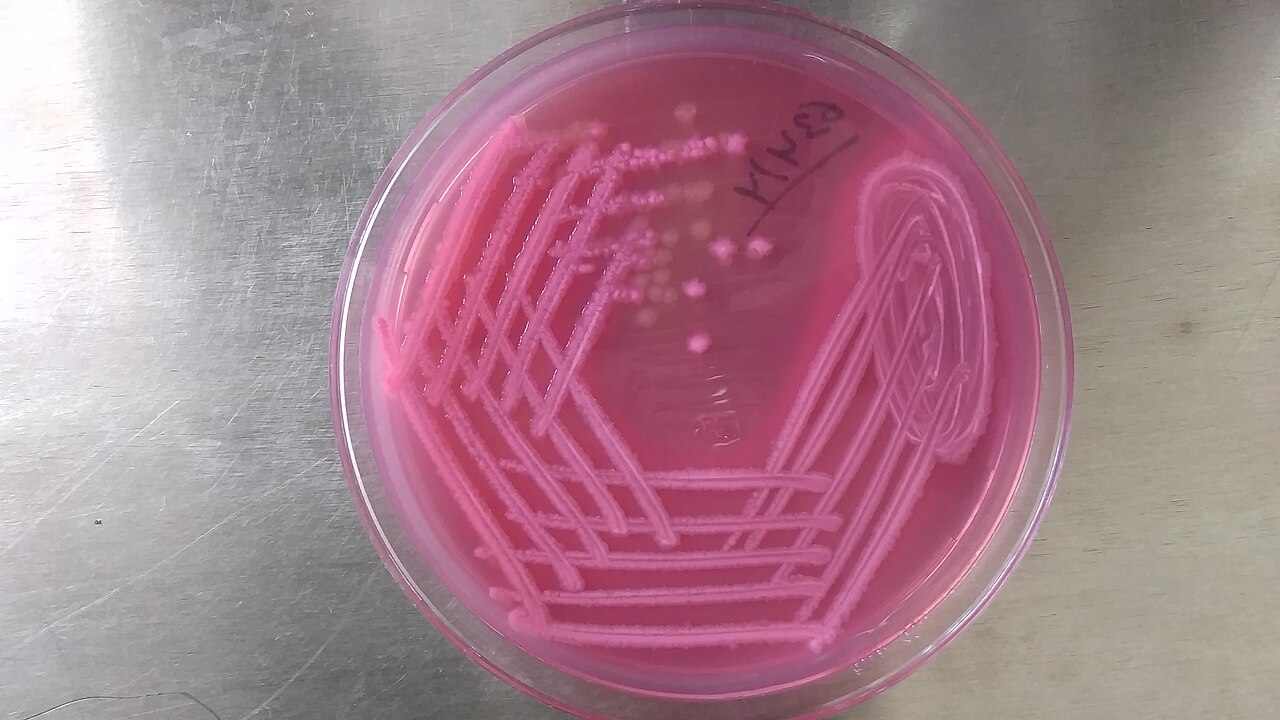
MacConkey agar
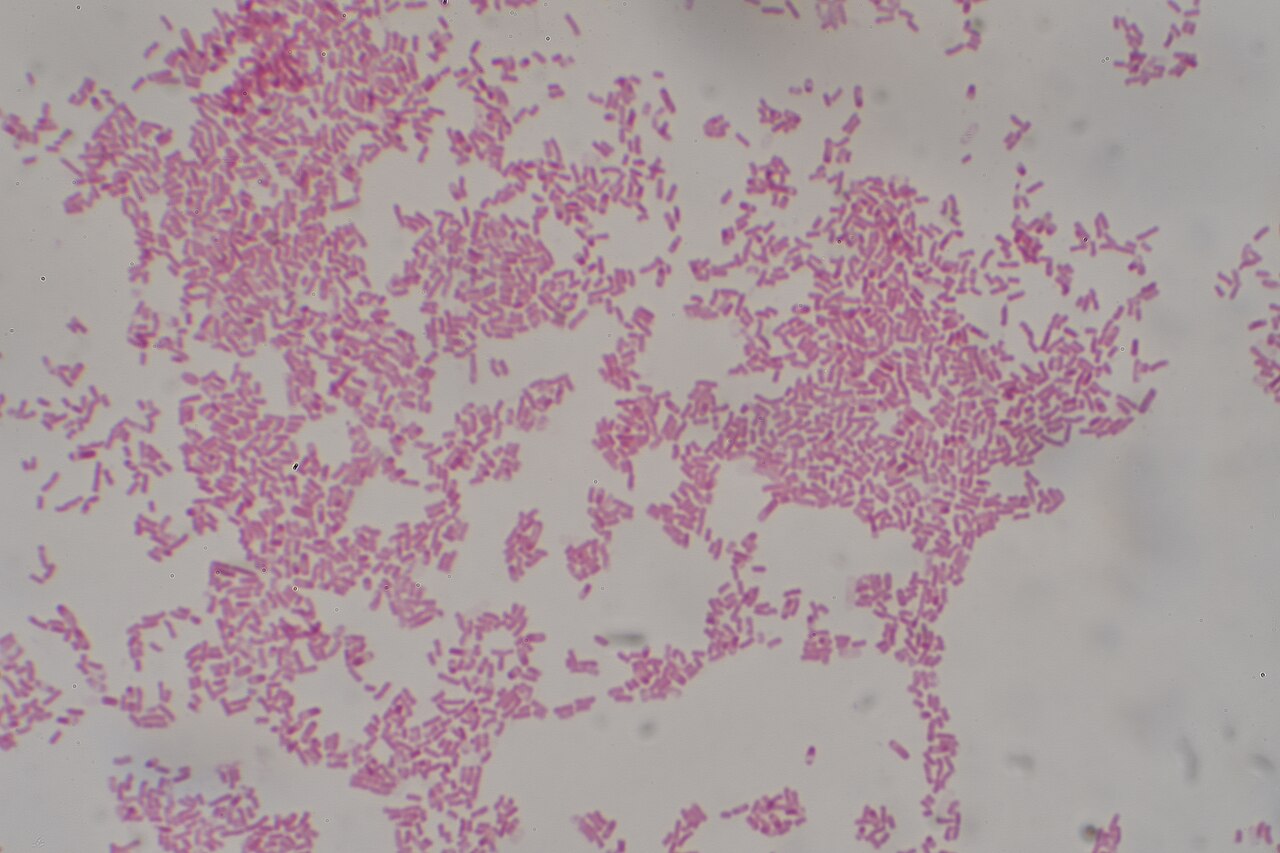
E. coli gram stain
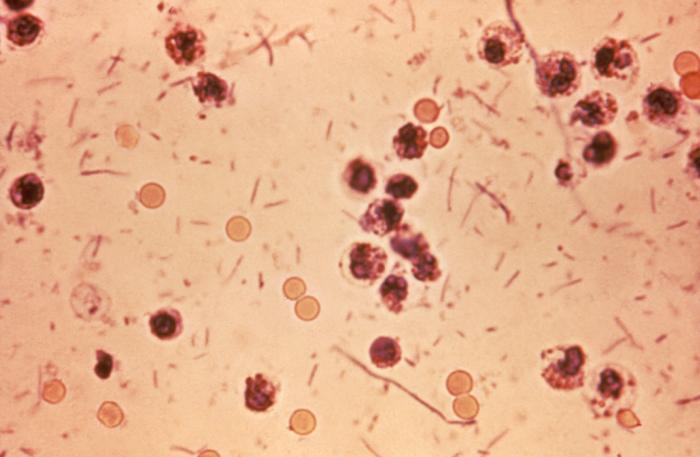
Shigella: fecal leukocytes
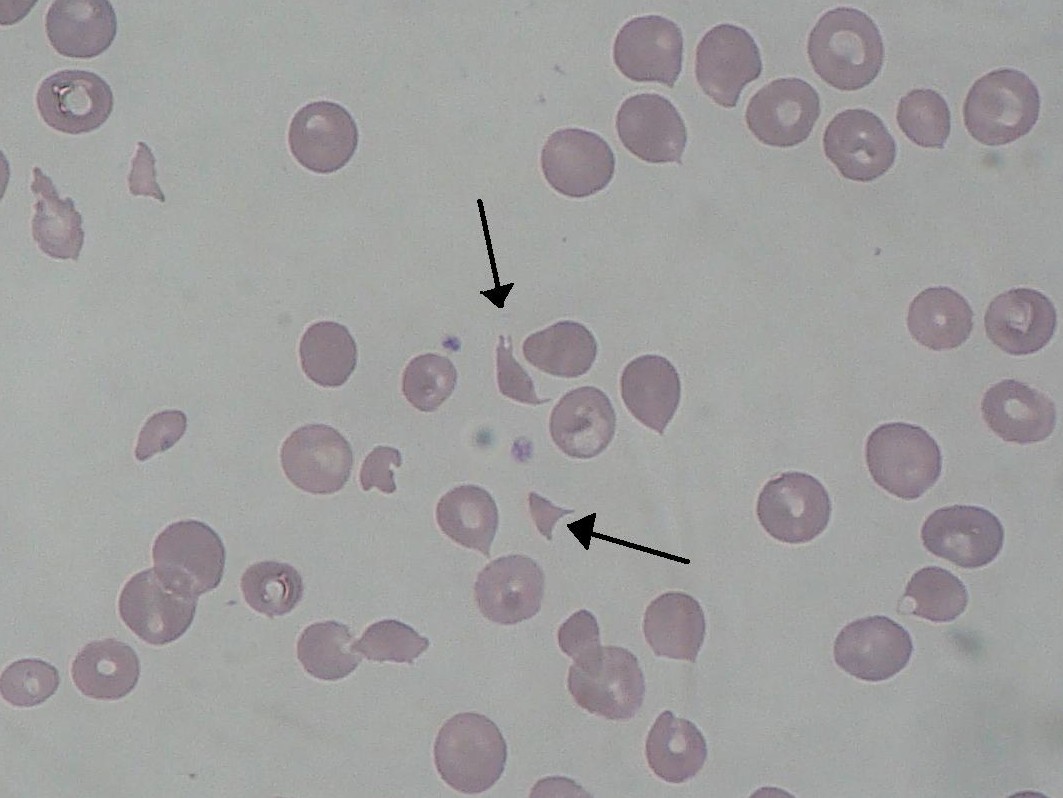
HUS: schistocytes
The Core Distinction
Both are gram-negative rods in family Enterobacteriaceae. On MacConkey agar, E. coli ferments lactose (pink colonies) while Shigella does not (colorless colonies). This single plate answers half the clinical questions about these organisms.
E. coli: lactose fermenter, most common cause of UTIs, five pathogenic strains (ETEC, EHEC, EIEC, EPEC, EAEC)
★The board trap: EHEC and Shigella both cause bloody diarrhea and HUS. But EHEC is a lactose fermenter (pink on MacConkey). Shigella is a non-fermenter (colorless). EHEC: NO antibiotics. Shigella: YES antibiotics.
01 · PATTERN LOCK
MacConkey Agar Sorting
Select a bucket, then tap each organism to sort it. Pink = lactose fermenter. Colorless = non-fermenter.
Lactose Fermenter (Pink colonies)
0
Non-Fermenter (Colorless colonies)
0
02 · MECHANISM MAP
Toxin Mechanism Map
Four E. coli strains, four different toxin mechanisms. Tap each stage to see how they attack.
ETEC (Enterotoxigenic E. coli): The #1 cause of traveler's diarrhea. Produces two toxins: heat-labile toxin (LT) activates adenylate cyclase (raises cAMP, just like cholera toxin) and heat-stable toxin (ST) activates guanylate cyclase (raises cGMP). Both cause chloride secretion into the lumen. Result: profuse watery diarrhea without invasion or blood.
03 · CLINICAL DEDUCTION
Elimination Games
Three vignettes. Clues narrow the field. Only one organism survives.
A 22-year-old college student returns from a spring break trip to Mexico with 3 days of watery, non-bloody diarrhea. No fever. Stool culture grows pink colonies on MacConkey agar.
ETEC
Shigella
Salmonella
Pseudomonas
Campylobacter
V. cholerae
Clue 1:Pink on MacConkey = lactose fermenter. Shigella, Salmonella, Pseudomonas, and V. cholerae are all non-fermenters. Eliminated.
Clue 2: Campylobacter needs special media (Campy-BAP at 42 degrees). It does not grow on MacConkey. Eliminated.
Clue 3: Traveler's diarrhea from Mexico + watery + no blood + lactose fermenter = classic ETEC. LT toxin (activates adenylate cyclase, raises cAMP) + ST toxin (activates guanylate cyclase, raises cGMP). Both drive chloride secretion. Self-limited.
ETEC (Enterotoxigenic E. coli)Traveler's diarrhea · LT + ST toxins · Watery, non-bloody · Lactose fermenter (pink)
A 4-year-old in daycare develops bloody, mucoid diarrhea with high fever. Stool microscopy shows numerous WBCs. Culture grows colorless colonies on MacConkey. Very low infectious dose suspected.
EHEC
Shigella
Salmonella
C. difficile
Yersinia
Campylobacter
Clue 1:Colorless on MacConkey = non-fermenter. E. coli (including EHEC) is always a lactose fermenter. EHEC eliminated.
Clue 2: C. difficile is gram-positive anaerobic rod. Does not grow on MacConkey. Eliminated.
A 6-year-old develops bloody diarrhea 3 days after eating undercooked hamburger at a cookout. No fever. Five days later: pallor, petechiae, decreased urine output. Labs: Hgb 7.2, platelets 45,000, creatinine 3.8, schistocytes on smear.
ETEC
EHEC O157:H7
Shigella
C. jejuni
S. aureus toxin
EIEC
Clue 1: Bloody diarrhea narrows the field. ETEC causes watery, not bloody. S. aureus toxin is a preformed toxin causing vomiting within hours, not bloody diarrhea days later. ETEC and S. aureus eliminated.
Clue 2:Undercooked hamburger is the classic EHEC source. C. jejuni comes from poultry. Shigella is person-to-person (fecal-oral, low dose, daycare). C. jejuni eliminated.
Clue 3:HUS triad: hemolytic anemia (schistocytes), thrombocytopenia (45K), renal failure (Cr 3.8). Shiga-like toxin damages glomerular endothelium. EIEC invades but does not produce Shiga-like toxin and does not cause HUS. Shigella and EIEC eliminated. CRITICAL: NO antibiotics for EHEC. Lysis releases more toxin, worsening HUS.
A patient presents with diarrhea. Walk through the decision tree to narrow the diagnosis.
The diarrhea is:
Watery (secretory)
Bloody (dysenteric)
05 · clinical WALKTHROUGH
Clinical Vignettes
25 original clinical questions with post-answer clue highlights and tap-to-reveal teaching chains.
Medically reviewed by Kaitlyn Cocuzzo, MD and Fatima Ali, DO · Last updated July 5, 2026 at 8:04 PM ET
Bone Wizardry is an independent educational resource for visual learning in the medical sciences. It is not affiliated with, endorsed by, or sponsored by any licensing or examination board, contains no real or recalled examination questions, and does not guarantee any educational or examination outcome.