Preventive medicine is not memorization, it is a set of switches: age, sex, and risk flip a screen on or off. Two rules carry most of the points. The USPSTF letter grade tells you to do it or skip it, and a vaccine being live tells you who cannot get it. Start with the trap that catches the most students.
Medically reviewed by Fatima Ali, DO & Kaitlyn Cocuzzo, MD✦elite
Before you scroll
A 58-year-old man comes to the office for a routine visit. He smoked one pack per day for 22 years and proudly tells you he quit 16 years ago. He has no respiratory symptoms, and his examination is unremarkable. He read that there is a CT scan for lung cancer and asks whether he qualifies. Which of the following is the most appropriate response?
What are the three lung-screening criteria?
Age 50 to 80, a 20 pack-year history, AND currently smoking OR quit within the past 15 years. All three must be true.
Walk his numbers.
Age 58 (in range). 1 pack times 22 years = 22 pack-years (over 20, so that is fine). But he quit 16 years ago, which is past the 15-year window. One failed criterion sinks the whole thing.
Why does the quit window matter?
Risk falls steadily after quitting. Past 15 years smoke-free, the benefit of screening no longer outweighs the harms (radiation, false positives, biopsies). So you stop offering it. He passed two checks and failed the one everyone forgets.
Scroll ↓ the grade system comes next
The One Rule Behind Every Screening Question
Sort the Services by Grade
The USPSTF puts a letter on every service. A and B mean DO it. C means offer selectively (shared decision). D means do NOT do it. Drag each service into the action it earns. Get the grade and the question answers itself.
Grade A / B
Net benefit moderate to substantial: offer it
Grade C
Small net benefit: shared decision, offer selectively
Grade D
No benefit or harm outweighs benefit: do NOT do it
Mammogram, average-risk woman age 55Colorectal screening, age 50AAA ultrasound, male smoker age 68PSA in a healthy man age 62AAA ultrasound, male never-smoker age 70PSA in a man age 74Cervical screening, woman age 67 with prior normals
Drag (or tap a chip below, then a column) to sort each service by its grade. Get all 7 to unlock the rule.
The takeaway you carry to the exam
AB = do it. C = shared decision. D = do not do it. I = not enough evidence.
When a stem asks "most appropriate next step," it is really asking for the grade. A and B both mean offer the service. The only practical difference is the strength of evidence, not what you do. C means individualize: the classic C is PSA testing in men 55 to 69, where you talk it through. D is the trap answer the writers love: PSA at 70+ and cervical screening after 65 with prior adequate normals are grade D, so the right move is to NOT screen.
A and B Both mean "do it." D = "Don't." If the grade is D, the correct answer is usually "reassure and do not screen."
Tap to reveal the grade-I trap
Grade I means the evidence is INSUFFICIENT, not that the answer is "do not screen." If a stem hinges on a grade I service (like mammography at 75+), the honest move is shared decision making, not a flat refusal. Do not confuse I with D.
The Signature Game · Map Age & Risk to the Screen
Run the Screening Timeline
A real patient walks in. Their age and risk light up specific points on the prevention timeline. For each one, pick exactly the screens that are due right now. Guess before each reveal. This is the engine behind every screening vignette.
Patient on the table
The age anchors worth burning in
21: cervical cytology starts (regardless of sexual history). 35: lipids and diabetes screening (35 to 70 if overweight). 40: mammography starts (every 2 years). 45: colorectal cancer screening starts. 50: lung CT can start if a smoker; cervical co-testing has been running since 30. 65: AAA ultrasound for male ever-smokers; osteoporosis DEXA for women; cervical screening STOPS with prior normals. 75: colorectal and mammography wind down; AAA window closes.
Birthdays are switches. 21 Pap, 40 mammo, 45 colon, 50 lung, 65 bone and aorta. The screen that turns ON at one age usually turns OFF at another.
Tap to reveal the pack-year shortcut
Pack-years = packs per day times years smoked. One pack a day for 20 years OR two packs a day for 10 years both equal 20 pack-years. For lung screening you need at least 20, AND age 50 to 80, AND current or quit within 15 years. Miss any one and they do not qualify.
The Other Rule That Carries the Points
Sort the Vaccines: Live vs Inactivated
One fact answers a whole family of questions: a vaccine being LIVE means you cannot give it in pregnancy or significant immunocompromise. Drag each adult vaccine into the right bucket. Then learn the one-line rule that makes it automatic.
Live attenuated
Replicating organism. NO in pregnancy or significant immunocompromise.
Inactivated / recombinant / toxoid
Cannot replicate. Safe in pregnancy and immunocompromise.
Drag (or tap a vaccine, then a bucket) to sort all 10. The live list is short, so memorize it: everything else is inactivated.
The short list to memorize
The adult live vaccines: MMR, varicella, live zoster, intranasal flu (LAIV), plus travel yellow fever and oral typhoid.
Memorize the live list because it is short, then treat everything else as inactivated. Live vaccines contain a weakened organism that can still replicate, so they are contraindicated in pregnancy and in significant immunocompromise (HIV with low CD4, chemotherapy, high-dose steroids, transplant). The zoster vaccine flipped: the modern recombinant RZV (Shingrix) is NOT live, so it is fine in immunocompromised adults 50 and up. That switch is a favorite board trap.
If it is alive, keep it away from the pregnant and the immunocompromised. The live list is small on purpose.
Tap to reveal the Tdap-in-pregnancy rule
Tdap is given during EVERY pregnancy, ideally at 27 to 36 weeks, to pass pertussis antibodies to the newborn. It is inactivated (a toxoid), so it is safe. Inactivated flu is also given in any trimester. The live ones (MMR, varicella) wait until after delivery.
Tap to reveal the pneumococcal rule for age 65+
For an adult turning 65 (or younger with risk), the current options are PCV20 alone, OR PCV15 followed by PPSV23. Both are inactivated. The takeaway: one PCV20 visit can cover it, or pair PCV15 with PPSV23 a year later.
One Screen Across a Lifetime
Build the Cervical Screening Lifecycle
Cervical cancer screening changes as a woman ages. The clinical medicine test the transitions: when it starts, when HPV co-testing kicks in, and when it stops. Drag the four stages into the correct age order.
1
Drop the youngest stage here
2
Drop step 2 here
3
Drop step 3 here
4
Drop the oldest stage here
Age 30 to 65: co-test (Pap + HPV) q5y or Pap q3yAge 21: start cytology (Pap)Age 65: STOP if prior screening adequate and normalAge 21 to 29: cytology alone every 3 years
Drag (or tap a stage, then a slot) to build the age order. Fill all four to lock it in.
Why this exact order matters
Start at 21, not at first sex. Screening begins at 21 regardless of sexual debut, because HPV-related changes in younger women usually clear on their own. Screening a 19-year-old just generates harm.
21 to 29 is cytology only. Pap alone every 3 years. We do NOT add HPV testing yet, because transient HPV is so common at this age it would trigger needless workups.
30 to 65 adds the option of HPV. Now you can co-test (Pap + HPV) every 5 years, or do primary HPV every 5 years, or stick with Pap every 3 years. Persistent HPV at this age means more.
Stop at 65 if prior screening was adequate and normal, and there is no high-grade history. Continuing past 65 with a clean record is grade D.
21 start. 30 you may add HPV. 65 you stop (if the record is clean). Never start at first sex, never co-test before 30.
Five Cancers, Five Sets of Numbers
The Cancer Screening Lineup
Each cancer screen has a signature test, an age window, an interval, and a grade. Tap a tab. The "stop" age and the grade line are what the clinical medicine actually test.
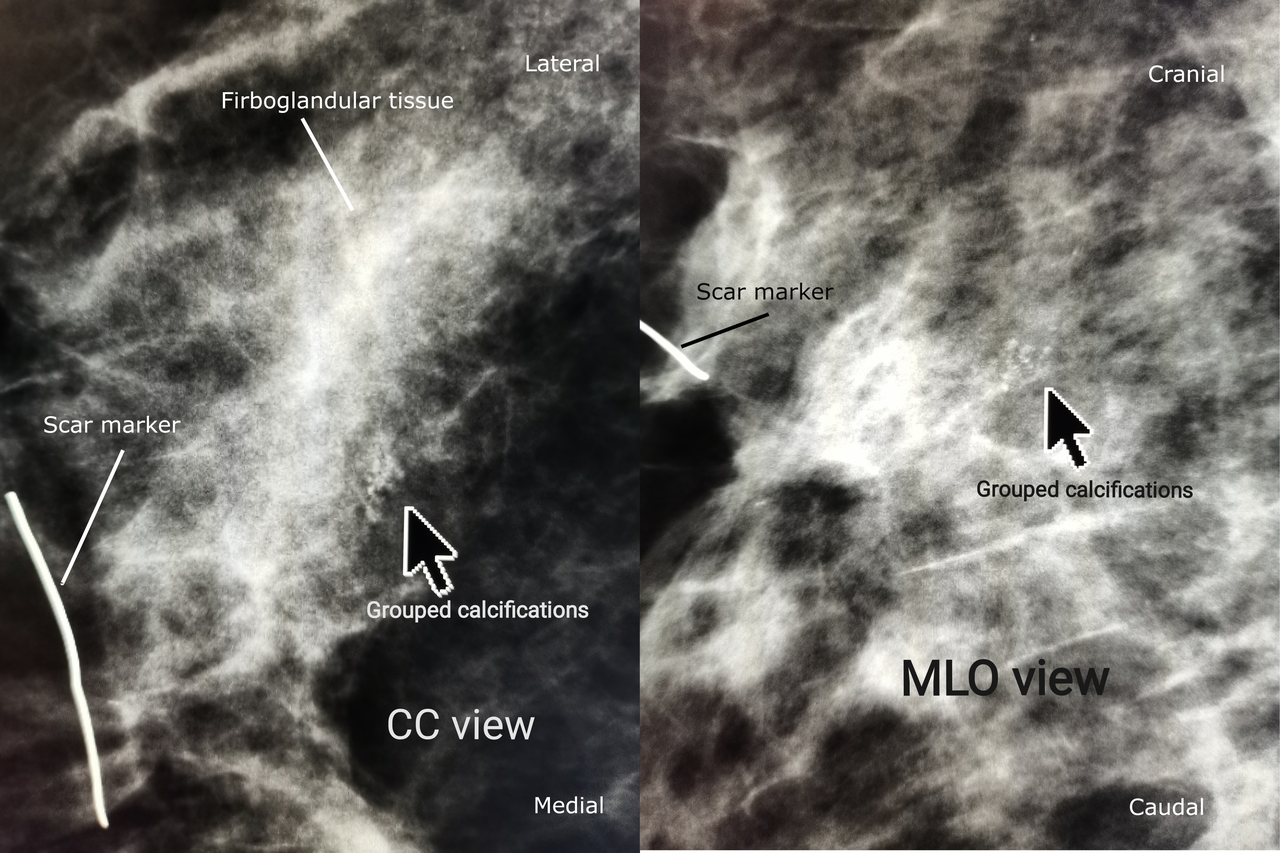
Mammography · grade B
Breast Cancer Screening
Test
Screening mammography
Interval
Every 2 years (biennial)
Start
Age 40, average risk
Stop
Age 74 (75+ is an I statement)
Board trap
Start at 40, not 50, and screen every 2 years, not annually. BRCA / strong family history is a different, earlier high-risk pathway (MRI + earlier mammography).
40 to 74, every 2 years, grade B. The trap answer is "annual starting at 50," which is outdated.
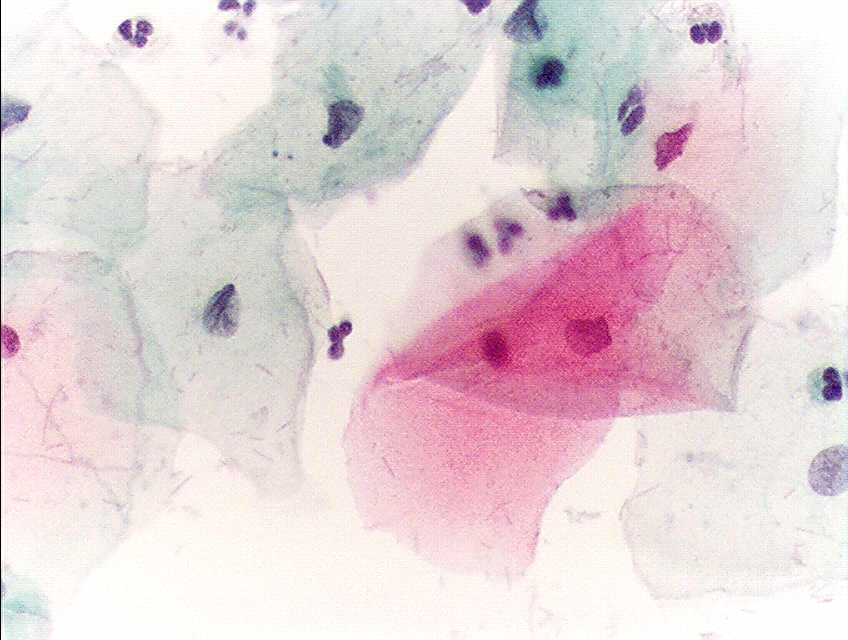
Cytology / HPV · grade A
Cervical Cancer Screening
Test
Pap cytology, then HPV co-test
Interval
Pap q3y; co-test or primary HPV q5y
Start
Age 21 (regardless of sexual history)
Stop
Age 65 if prior screening adequate / normal
Board trap
Do NOT start at first intercourse, and do NOT co-test before 30. After hysterectomy WITH cervix removal for benign disease, stop screening entirely.
21 start, HPV co-test from 30, stop at 65 with a clean record. Never screen before 21.
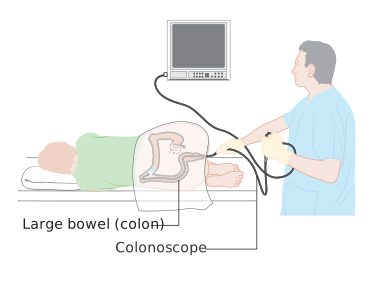
Colonoscopy q10y · FIT q1y · FIT-DNA q1 to 3y · CTC q5y
Start
Age 45 (grade B 45 to 49, grade A 50 to 75)
Stop
76 to 85 individualize; 85+ stop
Board trap
Screening now starts at 45, not 50. A positive FIT or stool-DNA test requires a follow-up COLONOSCOPY, not a repeat stool test.
45 to 75. Colonoscopy q10y or FIT q1y. Any positive non-colonoscopy test goes to colonoscopy.
Low-dose CT · grade B
Lung Cancer Screening
Test
Annual low-dose CT (LDCT)
Interval
Every year
Who
Age 50 to 80, 20 pack-years, current smoker or quit within 15 years
Stop
15 years since quitting, or limited life expectancy
Board trap
All THREE criteria must hold. The quit-within-15-years rule is the one most often missed. Chest x-ray is NOT a screening tool for lung cancer.
50 to 80, 20 pack-years, smoking now or quit under 15 years ago. Miss any one and they do not qualify.
PSA · grade C (55 to 69), grade D (70+)
Prostate Cancer Screening
Test
Serum PSA (with shared decision making)
Interval
Individualized, roughly q1 to 2y if chosen
Discuss
Age 55 to 69 (grade C, shared decision)
Do NOT
Age 70 and older (grade D)
Board trap
55 to 69 is a conversation, not a reflex order. At 70+ the answer is do NOT screen. The right move on a stem is usually to discuss risks and benefits first.
55 to 69 talk it through (C). 70+ do not screen (D). PSA is never an automatic order.
Board Gold · The Do-Not-Give List
Who Do You NOT Vaccinate?
Each round names one vaccine and shows four patients. Tap the patients who must NOT get it today. Live vaccines and a few situational rules drive almost every immunization question.
The unifying theme
A live vaccine is off the table in pregnancy and in significant immunocompromise. Everything inactivated is fair game.
The classic stops: MMR and varicella in a pregnant patient or a transplant / chemo / advanced-HIV patient. But watch the reversals the writers love: the modern recombinant zoster RZV is NOT live, so it is fine in immunocompromise; Tdap is given in EVERY pregnancy; and a true anaphylactic egg allergy or prior anaphylaxis to a vaccine component is its own contraindication. A minor illness or low-grade fever is NOT a reason to hold any vaccine.
Live + pregnant or immunocompromised = do not give. RZV and Tdap are the "actually safe" trap answers.
Beyond Cancer · The Rest of the Checklist
The Non-Cancer Screens
Four more board-favorite screens, each with one trigger and one number. Tap a card to open its file; opening one dims the others so you study one at a time.
Mammogram film (breast, age 40 to 74)Normal Pap cytology (cervical, from age 21)Colonoscopy (colorectal, from age 45)Low-dose lung CT (a nodule on LDCT)AAA on ultrasound (one-time, male ever-smokers 65 to 75)DEXA scan (osteoporosis, women 65+)Adult immunization (IM injection)Blood pressure screening (all adults)
🫀
Abdominal Aortic Aneurysm
one-time ultrasound, the smoker rule
▼
Test
One-time abdominal ultrasonography. Not repeated if normal.
Who (grade B)
Men 65 to 75 who have ever smoked. This is the high-yield line.
Selective (grade C)
Men 65 to 75 who never smoked: offer selectively.
Do not (women)
Women who never smoked with no family history: do NOT screen (grade D / I).
Hook
"Old man who ever smoked" gets ONE scan. The repair threshold (5.5 cm or rapid growth) is a separate management point.
🦴
Osteoporosis
DEXA at 65, or younger if high risk
▼
Test
DEXA (dual-energy x-ray absorptiometry) of hip and spine.
Who (grade B)
All women 65 and older. Younger postmenopausal women if FRAX risk is equivalent (steroids, low weight, early menopause, smoking).
T-score
Osteoporosis is a T-score of -2.5 or below; osteopenia is -1.0 to -2.5.
Men
No universal recommendation; the strong, consistent evidence is for women 65+.
Hook
65 is the bone birthday for women. Earlier only if a real risk factor pulls the risk up to a 65-year-old's level.
🧬
Infectious Disease Screens
HIV, HCV, and the STI rule
▼
HIV
Screen everyone 15 to 65 at least once (grade A). Pregnant patients each pregnancy.
Hepatitis C
Screen all adults 18 to 79 at least once (grade B), now a one-time universal screen.
Chlamydia / gonorrhea
Sexually active women 24 and younger (and older women at increased risk). Grade B.
Syphilis / others
Screen those at increased risk and all pregnant patients.
Hook
HIV once for everyone, HCV once for everyone, young sexually active women get chlamydia / gonorrhea.
🌵
Cardiometabolic & Mental Health
HTN, lipids, diabetes, depression
▼
Hypertension
Screen all adults 18+ (grade A); confirm out of office before diagnosing.
Diabetes / prediabetes
Adults 35 to 70 who are overweight or obese (grade B).
Lipids
Use cardiovascular risk assessment; statin discussion for adults 40 to 75 with risk factors.
Depression
Screen all adults including pregnancy and postpartum (grade B), with systems for follow-up.
Hook
Blood pressure for everyone, sugar for the heavier 35 to 70 crowd, depression for all adults.
Build the Plan
Walk a Preventive Visit
One patient, one decision at a time. Guess each branch before it opens. This is the reasoning the exam wants when it asks "the most appropriate next step in prevention."
From the Attending
When the stem buries the screening question inside a routine visit, do the boring thing: list the patient's age, sex, and risk factors, then run each screen as an on or off switch. Most "trick" prevention questions are just one criterion you forgot. Name the criterion out loud and the trick disappears. Know your numbers, and the next step writes itself. Every time.
Don't Miss The Screen
Five Quick Calls
Five rapid questions pulled from a bigger pool, reshuffled every visit. Cross out (right-click / long-press) and highlight (select text) as you read.
clinical Practice
Walk the Cases
Full clinical vignettes, one at a time, in a shuffled order. Progress saves to your account on this device. Cross out (right-click / long-press) and highlight (select text) as you go.
From the Attending
These ten vignettes are written the way the real exam writes them: a normal-looking visit with one buried discriminator. Cover the choices, find the age and the risk factor, decide the grade, and only then read the options. If the grade is D, the answer is almost always "do not screen, reassure." Read every explanation, not just the one you missed.
Tip: kill the wrong choices first, then read the explanation chain for every option.
U.S. Preventive Services Task Force. Published Recommendations (A to I grades): breast, cervical, colorectal, lung, prostate, AAA, osteoporosis, lipid, diabetes, HIV, HCV, depression screening.
Advisory Committee on Immunization Practices (ACIP). Adult Immunization Schedule. Live vs inactivated vaccines, indications and contraindications.
American Cancer Society. Guidelines for the Early Detection of Cancer. Cross-reference for screening ages and intervals.
CDC. Vaccine Information and Contraindications. Pregnancy and immunocompromise guidance, RZV vs live zoster.
Harrison's Principles of Internal Medicine. Health maintenance and disease prevention in the adult.
Reviewed by Fatima Ali DO and Kaitlyn Cocuzzo MD. Vignettes are original clinical teaching cases; demographics, values, and answer order are written for practice. Always confirm screening decisions against the current guideline at the point of care.
Bone Wizardry is an independent educational resource for visual learning in the medical sciences. It is not affiliated with, endorsed by, or sponsored by any licensing or examination board, contains no real or recalled examination questions, and does not guarantee any educational or examination outcome.
That was the free half
You know the grades. Now make the whole checklist automatic.
The grade rule, the screening timeline, and the live-vs-inactivated vaccine sorter are yours free. Everything that turns "I get it" into a 10-second answer on exam day lives in Elite:
The full live-vs-inactivated vaccine sorter and the pregnancy rules
The cervical lifecycle and all five cancer screens with ages and grades
The non-cancer screens: AAA, osteoporosis, HIV, HCV, STI, cardiometabolic
The vaccine contraindication elimination game (board gold)
The preventive-visit decision tree plus board vignettes that save progress