This is for the weird board stems where the medicine is simple and the legal wording is mean. Your job is not to be philosophical. Your job is to route the call: patient decides, surrogate reflects, report only when the rule demands it, and never abandon a patient in transition.
First call · choose before reading
A 62-year-old woman with metastatic pancreatic cancer is alert and oriented. She understands that chemotherapy may add weeks, but she says she wants to stop tumor-directed treatment, go home, and focus on dyspnea and pain relief. Her son says, "She is giving up. Put her on treatment anyway." Vital signs are stable. Physical examination shows cachexia and mild respiratory distress. Laboratory studies show albumin 2.4 g/dL (normal: 3.5 to 5.5 g/dL). What is the best next step?
Capacity first. She can understand, appreciate, reason, and communicate. The son does not outrank a capable patient. Comfort care is active medical care, not abandonment.
Hotline Router
Case 1 / 6
Pattern lock
Four Routes Handle Almost Every Weird Stem
Do not memorize every law as a loose fact. Sort the stem into the route first. The route tells you what the exam is asking.
Capable refusal
Adults with capacity may refuse even life-saving care. Blood refusal is the classic ugly wording: transfusing over a capable refusal is battery, not beneficence.
Next of kin trap
Family matters when the patient cannot decide. If the patient can decide, family is support, not command.
Hospice versus palliative
Palliative care can run with curative therapy. Hospice is comfort-focused care for a terminal prognosis, usually about six months or less if illness follows its usual course.
Dismissal versus abandonment
Dismissal needs written notice, emergency coverage during transition, and transfer help. Dropping an active patient without time to find care is abandonment.
Decision tree
Report, Warn, or Keep Confidential?
Reporting questions feel random until you ask the same three gates every time: required by law, serious imminent threat, or a capable adult asking for privacy.
Node 1 / 4
A competent adult says her partner hit her but begs you not to call police. There is no weapon, child, elder, disability, or imminent threat in the room. What do you do?
Competent adult partner violence is usually resource-and-safety work, not automatic police reporting. Child abuse, elder abuse, gunshot wounds, and identifiable imminent threats are a different bucket.
A parent brings a toddler with spiral fractures in different stages of healing and gives a shifting story. What is the next step?
Suspicion triggers the report. Do not delay protection while trying to make the case courtroom-perfect.
A patient tells you he bought a gun and is going to kill a named coworker tomorrow. What is the route?
A man with a gunshot wound refuses police involvement while you are repairing the wound. What do you do?
Mandatory reporting does not wait for consent, and reporting never delays care.
Board shortcut: privacy is default. Break it only when law requires it or a serious, imminent, identifiable harm can still be prevented.
Palliative pressure
Comfort Care Is Still Care
The boards like to make palliative care sound like surrender. It is not. It is active symptom management, values work, family support, and removal of treatments that no longer match the patient's goals.
Palliative care
Serious illness, any stage, any age. Can happen with chemotherapy, surgery, dialysis, or cure attempts. It asks what suffering needs treatment right now.
Hospice
Terminal illness with prognosis around six months or less if the illness runs its usual course. The focus shifts to comfort for the terminal illness and related conditions.
DNR
DNR means no CPR during arrest. It does not mean no antibiotics, no oxygen, no pain medicine, no nutrition, or no ordinary care.
Palliative sedation
Last-resort sedation for refractory symptoms in the final stage of terminal illness. The intent is relief of suffering, never to cause death.
Blood refusal
Capable adult says no. Family cannot override. Treat without blood.
No sudden drop. Notice, transition care, records, urgent coverage.
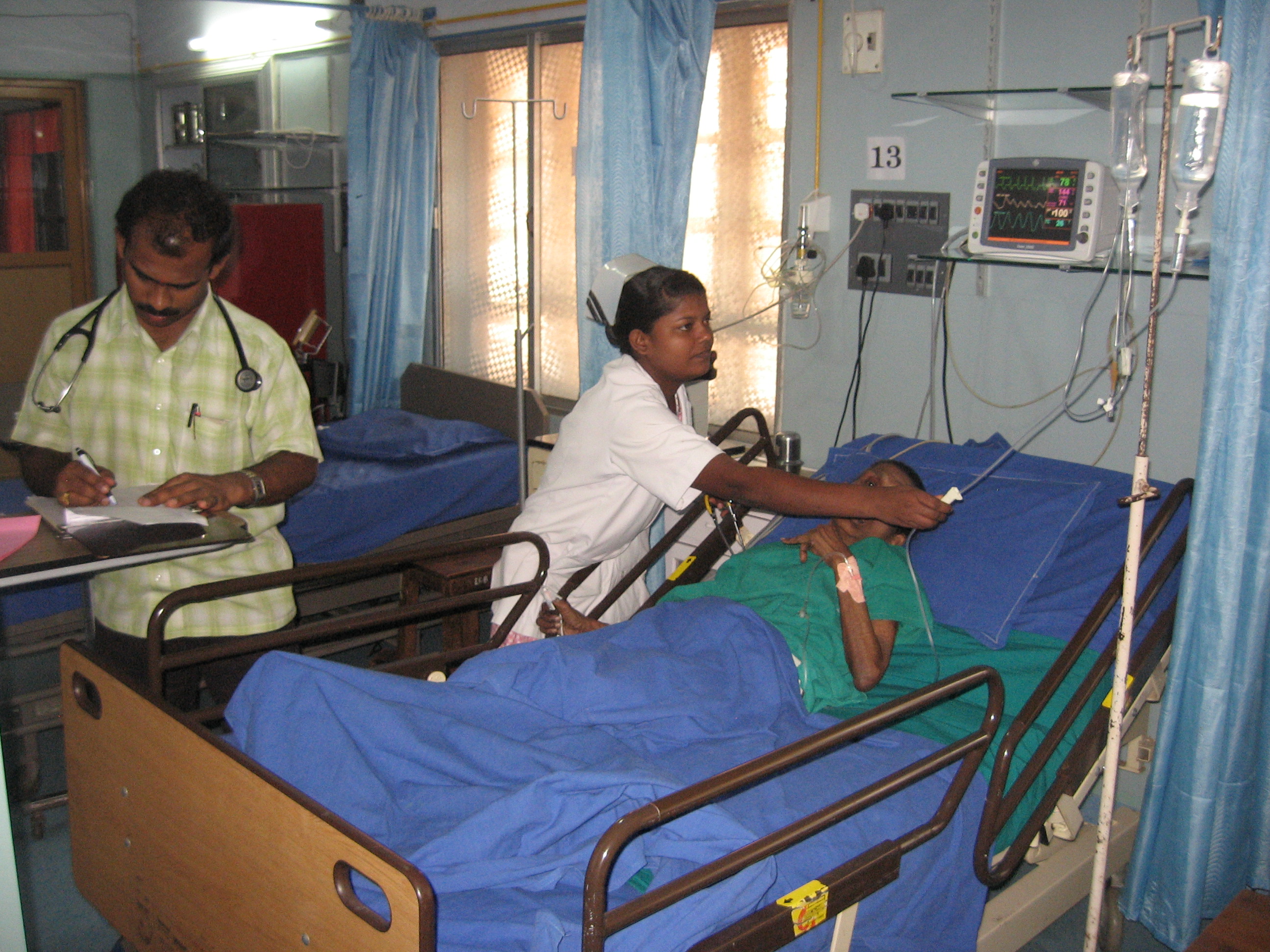
Palliative care asks what would make this illness bearable today. Credit: Wellcome Collection, CC BY 4.0.Ventilator withdrawal follows the patient's values, not the family's panic.Consent is the conversation, not the form.Dismissal without continuity planning becomes abandonment.
Walkthrough bank
Twenty-Five Weird Ethics Calls
One case at a time. Cross out with right-click or long-press. Highlight an option with double-click or double-tap. The hidden clue text glows only after you commit.