Students lump the testicular-cancer drugs together and pin the lung on the wrong one. Cisplatin cross-links DNA and then punishes three organs: the kidney, the inner ear, and the peripheral nerves. The dry cough and stiff lungs belong to bleomycin. Sort that once and the question set falls apart in your favor.
From the Attending
When a stem puts a chemo patient in front of you with rising creatinine and new hearing loss, do not reach for the lungs. That is cisplatin hitting kidney and cochlea. Reserve pulmonary fibrosis for bleomycin. Know your clues and the trap stops working on you.
Opening challenge
A 29-year-old man receiving combination chemotherapy for metastatic testicular germ cell tumor returns on day 5 with a creatinine that has climbed from 0.9 to 2.3 mg/dL and new high-pitched ringing in both ears. Which agent in his regimen is the dose-limiting toxicity you must act on?
Right. Rising creatinine plus new tinnitus and high-frequency hearing loss is the cisplatin signature: nephrotoxicity is dose-limiting and ototoxicity travels with it. Bleomycin would give you a dry cough and stiff, fibrotic lungs, not a kidney and ear story.
Mechanism theater
A neutral sleeper that wakes up inside the cell
Press the stages. Cisplatin slips in quiet, sheds its chloride where chloride is low, then clamps onto guanine and kinks the DNA like an alkylating agent. The same reactive platinum is what wrecks the kidney, ear, and nerves.
Cytoplasm: low chloride
DNA double helix
Guanine N7 target
Slips in neutral
Creatinine 0.9 mg/dL Magnesium 2.0 mg/dL
Tap a stage
Neutral and quiet in the blood
In the bloodstream the chloride concentration is high, so cisplatin keeps both of its chloride ligands and stays a neutral, unreactive molecule. Neutral means it drifts into cells without setting off alarms.
RouteEnters cells as a neutral molecule
PatternHigh blood chloride keeps it inactive until inside
PearlA quiet sleeper until the low-chloride cytoplasm wakes it up
Cisplatin loses its chloride inside the cell, then clamps guanine N7 and cross-links the strand. The same reactive platinum is what wakes up and damages DNA. Tap to expand.
Toxicity triage
Three organs, one drug
Cisplatin does not hide its damage in one place. The kidney is the dose limit, the ear loses the high notes first, and the long sensory nerves go numb. Decide which one the stem is showing you, then act.
Kidney
Dose-limiting nephrotoxicity
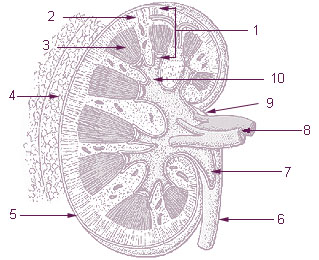
Reactive platinum injures the proximal tubuleThe proximal tubule concentrates and is injured by cisplatin, so creatinine rises and the kidney wastes magnesium. This is why hydration matters: dilute drug, less tubular damage.. Creatinine rises and the tubule wastes magnesium. This is the toxicity that caps the dose, so you protect it first.
The kidney: the dose-limiting target. Reactive platinum injures the proximal tubule, raising creatinine and wasting magnesium. Tap to expand.
Inner ear
Ototoxicity, high notes first
Cisplatin kills cochlear outer hair cellsOuter hair cells at the base of the cochlea sense high frequencies and have no replacement supply. Once cisplatin kills them, the loss is permanent. at the base of the cochlea. The result is irreversible high-frequency sensorineural hearing loss with tinnitus. It does not grow back.
The inner ear: cisplatin kills the basal cochlear hair cells, taking the high notes first and for good. Tap to expand.
Peripheral nerve
Stocking-glove numbness
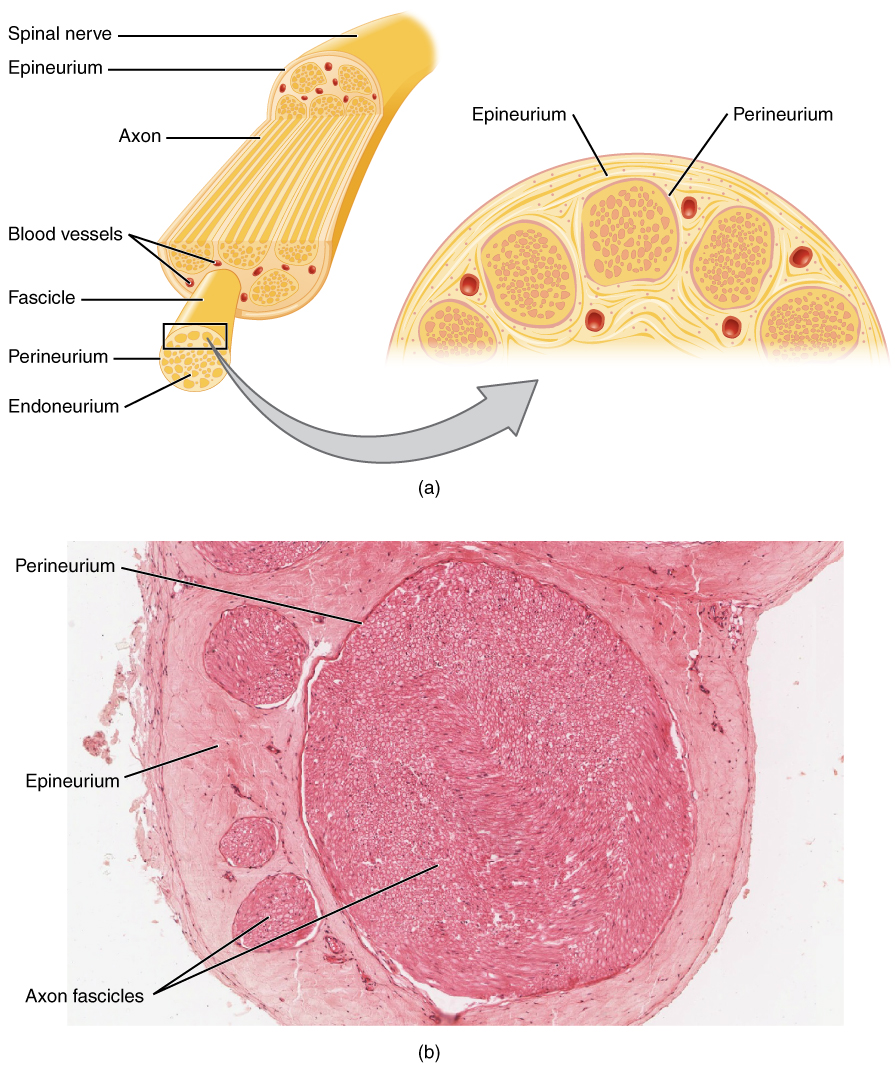
The long sensory neurons in the dorsal root gangliaDorsal root ganglia sit outside the blood-nerve barrier, so cisplatin reaches them. Large sensory fibers suffer most: lost vibration and proprioception before pain or temperature. take the hit. Patients lose vibration and position sense in a glove-and-stocking pattern as the dose climbs.
The peripheral nerve: large sensory fibers in the dorsal root ganglia lose vibration and position sense first, in a glove-and-stocking pattern. Tap to expand.
From the Attending
Do not blur these together. Rising creatinine is the kidney and the reason you slow down. Ringing ears and lost high tones are the cochlea, and that damage is permanent. Numb feet that lose vibration sense are the nerves. One drug, three report cards, and the lung is not on any of them.
A patient is about to start cisplatin. What single measure does the most to prevent the dose-limiting toxicity?
Saline hydration dilutes drug in the tubule and the chloride keeps cisplatin in its inactive neutral form in the urine. Amifostine is a free-radical scavenger that protects normal tissue. Dexrazoxane guards against anthracycline heart toxicity, and mesna belongs to cyclophosphamide bladder protection.
Next step unlocked: now decide which toxicity the symptom in front of you represents.
During therapy the patient reports both ears ringing and trouble hearing high-pitched voices. What have you almost certainly lost?
High-frequency loss with tinnitus is cisplatin killing basal cochlear hair cells. They do not regenerate, so audiometry monitoring and stopping or modifying therapy is how you protect remaining hearing.
Next step unlocked: check the long nerves before the deficit becomes disabling.
Months into therapy the patient cannot feel a tuning fork on the toes and sways with eyes closed. Which problem is this?
Lost vibration and proprioception with a positive Romberg is large-fiber sensory neuropathy from dorsal root ganglion injury. It is dose-related and is a reason to reduce or stop. Pulmonary fibrosis is the bleomycin distractor and has nothing to do with this finding.
Pattern locked: cisplatin equals kidney, ear, and nerve, prevented with hydration and watched with audiometry and exams.
Sort the look-alikes
Cisplatin vs bleomycin vs carboplatin
These three ride together in board questions because they share regimens and the platinum name. The trick is keeping their signature toxicities apart. Tap each tab.
Cisplatin: DNA cross-linker that hits kidney, ear, and nerve
Forms intrastrand cross-links at guanine N7 and triggers apoptosis like an alkylating agent. The board toxicities are nephrotoxicity (dose-limiting), high-frequency ototoxicity with tinnitus, peripheral sensory neuropathy, and renal magnesium wasting. Prevent kidney injury with saline hydration and amifostine.
Bleomycin: the lung drug, not the kidney drug
Generates free radicals that cause DNA strand breaks, and its signature toxicity is pulmonary fibrosis with a dry cough, dyspnea, and a restrictive pattern. It causes minimal myelosuppression. If a testicular-cancer stem shows stiff fibrotic lungs, that is bleomycin, never cisplatin.
Carboplatin: the gentler platinum with a different price
Same platinum cross-linking idea, but it is far less nephrotoxic and less ototoxic than cisplatin. The tradeoff is myelosuppression, especially thrombocytopenia. It is the platinum you reach for when the kidneys or ears cannot tolerate cisplatin.
cisPLATin = PLATes the DNA
Platinum clamps guanine N7 and cross-links the strand, freezing replication. Picture a metal plate bolted across the helix.
Tap to reveal
Kidney, Ear, Nerve
The cisplatin trio: nephrotoxicity caps the dose, the cochlea loses high notes for good, and the long nerves go numb. No lungs in that list.
Tap to reveal
Bleo blows up the lungs
Bleomycin equals pulmonary fibrosis. If the stem coughs and the lungs are stiff, the answer is bleomycin, not the platinum.
Tap to reveal
Board walkthrough
One patient at a time
Use the exam tools before you answer: right-click or long-press to cross out, double-click or double-tap to highlight. The highlighted clues glow only after you commit.
Medically reviewed by Fatima Ali, DO and Kaitlyn Cocuzzo, MD · Last reviewed June 2026
Bone Wizardry is an independent educational resource for visual learning in the medical sciences. It is not affiliated with, endorsed by, or sponsored by any licensing or examination board, contains no real or recalled examination questions, and does not guarantee any educational or examination outcome.