Subjects Mnemonics Cluecards Tutoring Physicians Prescryption
Gate 1/5

Pharmacology · Alzheimer dementia

Three Drugs, One Enzyme

Donepezil, rivastigmine, and galantamine all do the same core trick: they block acetylcholinesterase so the dying cholinergic neurons in Alzheimer disease can stretch what acetylcholine is left. They are symptomatic, not disease-modifying. The board points come from telling them apart: who is once-daily, who comes as a patch and works in Parkinson dementia, and who adds a nicotinic bonus. Sort that and the question set sorts itself.

From the Attending

Do not memorize these three as a blur of names. Memorize one job and three personalities. The job is boosting acetylcholine. Donepezil is the simple once-daily pill. Rivastigmine is the patch that also hits butyrylcholinesterase and works in Parkinson and Lewy body dementia. Galantamine adds nicotinic receptor amplification. Know the personalities and the stem stops fooling you.

Opening challenge

A 74-year-old man with mild Alzheimer dementia cannot tolerate oral medications because of severe nausea and vomiting, and his caregiver struggles with multi-step routines. He also carries a diagnosis of Parkinson disease. Which cholinesterase inhibitor and route fit him best?

Right. The rivastigmine patch delivers steady drug levels with fewer gastrointestinal side effects than oral dosing, and rivastigmine is the cholinesterase inhibitor approved for Parkinson disease dementia and Lewy body dementia. Memantine is the wrong class entirely: it is an NMDA antagonist, not a cholinesterase inhibitor.

Mechanism theater

Block the enzyme, stretch the signal

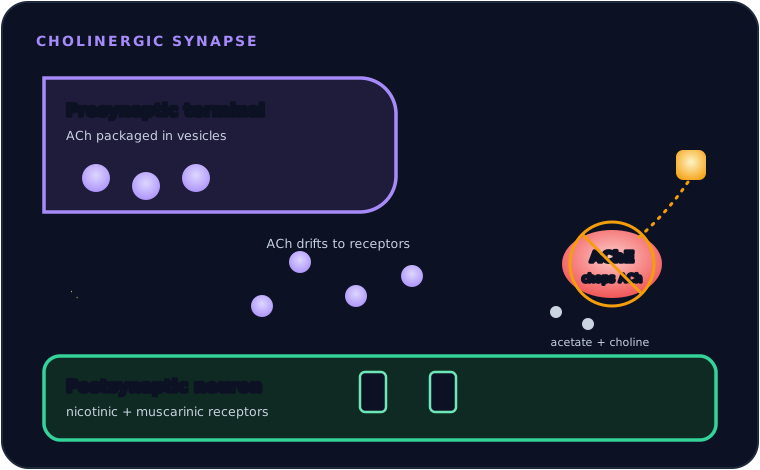
Press the stages. Acetylcholine carries memory and attention signals, but in Alzheimer the nucleus basalis neurons that make it are dying. Acetylcholinesterase normally chews acetylcholine apart in the cleft. Block that enzyme and the remaining acetylcholine lingers and works harder.

Presynaptic terminal vesicles of ACh Postsynaptic neuron nicotinic and muscarinic receptors AChE breaks ACh down ACh acetate choline inhibitor ACh piles up BuChE rivastigmine adds galantamine amps nicotinic
Cleft: ACh signal
Postsynaptic receptors
AChE target
ACh released
Synaptic ACh 25%
AChE active 100%

Tap a stage

Acetylcholine carries the signal

Cholinergic neurons release acetylcholine into the synaptic cleft to support memory and attention. In Alzheimer disease these neurons are dying, so the acetylcholine supply is already low.

ActionAcetylcholine released into the cleft
PatternSignal is already weak because the source neurons are dying
PearlSymptomatic help, not a cure for the underlying disease
Diagram of a cholinergic synapse with acetylcholinesterase breaking down acetylcholine
The cholinergic synapse: acetylcholinesterase chews acetylcholine into acetate and choline. Block the enzyme and the signal lingers. Tap to expand.

Cholinergic excess

Too much acetylcholine has a price

Boosting acetylcholine everywhere means parasympathetic, SLUDGE-type effects show up as a class. The gut complains first, the heart slows, and the bladder and stomach get pushy. These are shared by all three agents.

Gut

Nausea, vomiting, weight loss

Extra acetylcholine drives the enteric nervous systemMore acetylcholine means more gut motility and secretion: nausea, vomiting, diarrhea, cramping, and anorexia. The weight loss this causes often limits how high you can dose. into overdrive. Nausea, vomiting, diarrhea, anorexia, and weight loss are the most common and dose-limiting effects, which is why the rivastigmine patch exists.
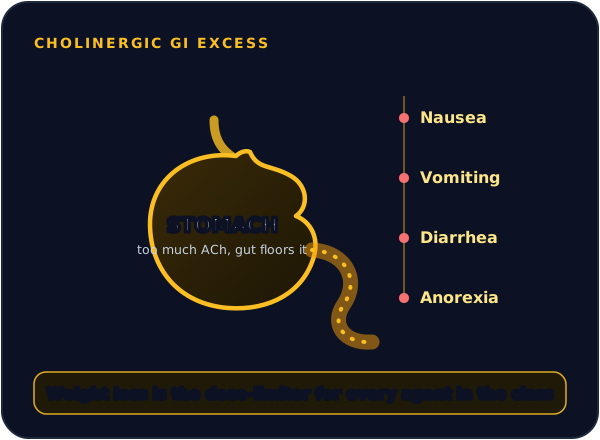
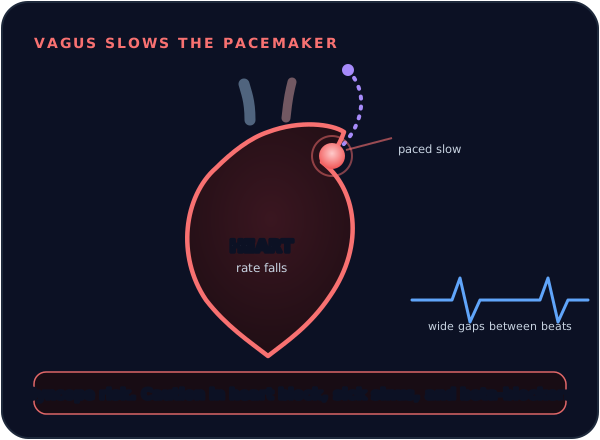
Diagram of cholinergic gastrointestinal excess
The gut on cholinergic overdrive: nausea, vomiting, diarrhea, and weight loss that caps the dose. Tap to expand.

Heart

Bradycardia and syncope

Acetylcholine is vagotonicVagal acetylcholine slows the SA node and AV conduction, so these drugs can cause bradycardia, heart block, and syncope. Be careful in sick sinus syndrome and in patients already on beta-blockers. at the SA node, so these drugs can slow the heart, worsen conduction block, and cause fainting. Use caution in sick sinus syndrome, heart block, and patients already on rate-slowing drugs like beta-blockers.

Diagram of vagotonic bradycardia and syncope
Vagal acetylcholine slows the SA node: bradycardia and syncope, dangerous with heart block or beta-blockers. Tap to expand.

Bladder and stomach

Urgency and gastric acid

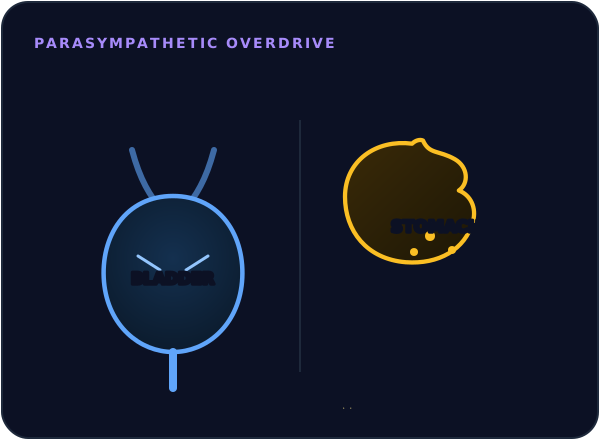
Parasympathetic tone squeezes the detrusorMore acetylcholine contracts the bladder detrusor (urinary urgency) and increases gastric acid secretion (caution with peptic ulcer disease). Same overdrive as the rest of the SLUDGE picture. for urinary urgency and ramps up gastric acid, so use caution in peptic ulcer disease. Same theme: parasympathetic overdrive across the body.

Diagram of urinary urgency and increased gastric acid
The bladder and stomach join in: urinary urgency and more gastric acid, the SLUDGE-type signature. Tap to expand.
From the Attending

When a demented patient on one of these drugs faints or drops their heart rate, do not chase a zebra. That is the cholinesterase inhibitor being vagotonic at the SA node. The same drug nauseates the gut, squeezes the bladder, and stokes gastric acid. One mechanism, too much acetylcholine, explains the whole list. Know your clues.

A frail 80-year-old on a cholinesterase inhibitor presents with recurrent fainting. What is the most likely mechanism?
Excess acetylcholine is vagotonic: it slows the SA node and conduction, causing bradycardia and syncope. These drugs are pro-cholinergic, not anticholinergic, so a tachyarrhythmia is the opposite of what happens. Watch the heart rate in patients on beta-blockers or with conduction disease.
Next step unlocked: now pick the move that lowers the gastrointestinal burden.